Stem Cell Therapy for Shoulder: What the Clinical Evidence Shows About Pain Relief
5 min read
AUTHOR

MEDICALLY REVIEWED BY

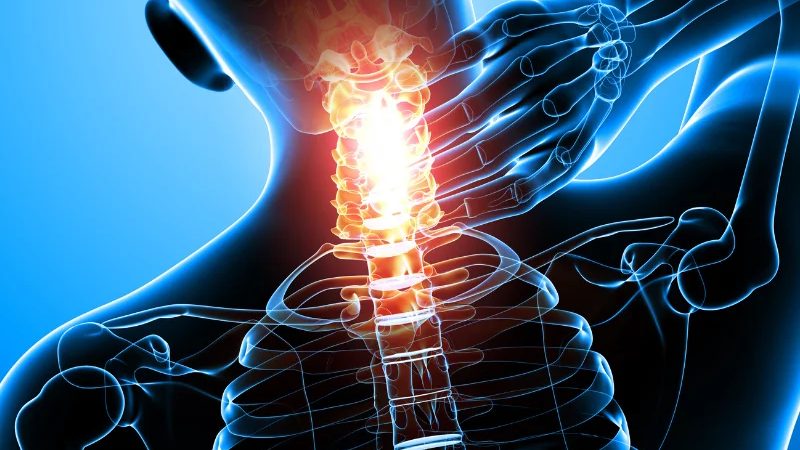
Shoulder pain is one of the most common reasons adults seek orthopedic care, often stemming from rotator cuff tears, chronic tendinopathy, or glenohumeral osteoarthritis. When rest, physical therapy, and anti-inflammatory medication fail to provide lasting relief, many people begin researching regenerative options, and stem cell therapy for shoulder pain is increasingly one of the first terms that comes up.
This article reviews what causes shoulder pain, how these treatments are thought to work, what published trials and systematic reviews report (including results that were not positive), current safety data, FDA regulatory status, and who may be a reasonable candidate for further evaluation at Humanaut Health.
What Causes Shoulder Pain?
Three overlapping problems account for most chronic shoulder pain in adults. Rotator cuff tears can be partial-thickness (frayed but not fully severed) or full-thickness (a complete tear), and both are strongly associated with age-related tendon degeneration, with risk rising after age 50. Rotator cuff tendinopathy describes chronic, degenerative tendon changes from repetitive overuse or reduced blood supply, often producing a dull, persistent ache that worsens with overhead activity. Glenohumeral osteoarthritis involves progressive breakdown of the joint cartilage, with low-grade inflammation and, over time, stiffness.
Conventional first-line care, rest, physical therapy, and NSAIDs, can meaningfully reduce symptoms, but largely manages pain rather than addressing the underlying degeneration. This gap is a major reason patients and clinicians have looked toward regenerative approaches.

How Stem Cell Therapy for Shoulder Pain Is Thought to Work
Stem cell treatment for shoulder pain most often uses mesenchymal stem cells (MSCs), typically harvested from the patient's own bone marrow or adipose (fat) tissue in an autologous procedure. Rather than replacing damaged tissue outright, MSCs are understood to work primarily through signaling: in preclinical tendon models, they demonstrate anti-inflammatory, paracrine, and pro-regenerative activity, including favorable effects on the local healing environment (Hooper et al., International Journal of Molecular Sciences, 2024).
Clinically, this translates into two delivery approaches: image-guided injection as a standalone outpatient procedure, or concentrated bone marrow aspirate used as an adjunct during arthroscopic rotator cuff repair. The evidence for each differs meaningfully, as described below.
What Does the Clinical Evidence Actually Show?
Injection-Based Studies for Rotator Cuff Tendinopathy
The most detailed injection data comes from a small dose-escalation trial of autologous adipose-derived MSCs injected directly into the affected tendon. At one and two years, patients in the mid- and high-dose groups reported roughly a 90% reduction in shoulder pain, with strength gains exceeding 50% and near-resolution of the tendon defect on MRI (Jo et al., Arthroscopy, 2020). The study included only nine patients and had no control group, so these results are promising, not conclusive.
A more rigorous randomized, double-blind trial tells a different story: patients with partial-thickness supraspinatus tears randomized to MSCs in fibrin glue, fibrin glue alone, or saline showed no significant difference in pain improvement at three months, a pattern that held through two years of follow-up (Chun et al., Scientific Reports, 2022) - a reminder that, in a well-controlled setting, MSC injection did not outperform control for this tear pattern.
Stem Cell Augmentation During Rotator Cuff Repair Surgery
Separately, researchers have studied adding marrow-derived cells to arthroscopic rotator cuff repair. Two systematic reviews found bone marrow stimulation during repair associated with a significantly lower retear rate than repair alone, with the largest benefit in large and massive tears (Yang et al., Journal of Experimental Orthopaedics, 2023; Zhang et al., Frontiers in Surgery, 2023).
A Level 1 randomized controlled trial adds nuance: in patients undergoing repair of small-to-medium supraspinatus tears with concentrated bone marrow aspirate (cBMA) versus a sham procedure, one-year MRI showed significantly less retear in the cBMA group (18% versus 57%, P<.001), yet treatment-failure rates and outcomes were not significantly different (Cole et al., American Journal of Sports Medicine, 2023) - structurally better, but not consistently better clinically. A separate systematic review reached a similar conclusion: no significant functional benefit, though a possible protective effect against retear over the longer term (Ferreira et al., JSES Reviews, Reports & Techniques, 2025).
Taken together, the evidence suggests this approach may support tendon structural healing and reduce retear risk in some contexts, particularly as a surgical adjunct for larger tears, but results are genuinely mixed and outcomes don't always track with imaging findings. Larger, standardized trials are still needed.
Guideline and Expert Perspective
A dedicated Cochrane review specific to stem cell injections for shoulder conditions has not yet been published, unlike the more established Cochrane evidence base for knee osteoarthritis. Current shoulder-specific evidence instead rests on smaller randomized trials and systematic reviews of heterogeneous studies. A recent literature review concluded that while cell-based approaches "might lower retear rates and enhance post-repair outcomes," standardized trial protocols are still needed before definitive recommendations are possible (Hooper et al., International Journal of Molecular Sciences, 2024).
Is This Approach Safe? Reviewing the Data and FDA Status
Safety data specific to shoulder MSC procedures is limited, but two larger datasets are informative. A systematic review of MSC-based joint injections (predominantly knee osteoarthritis, used here as the closest available analog) found a pooled transient adverse event rate of 12.3%, most often injection-site pain or swelling, with no major complications such as infection or embolism reported (Riggle et al., HSS Journal, 2024). A larger real-world dataset spanning 2,372 patients and over 3,000 autologous procedures, including shoulder procedures, reported an overall complication rate of 2.0% and a serious-complication rate of just 0.13% (Centeno et al., International Orthopaedics, 2016).
How Does This Compare to Other Shoulder Pain Treatments?
Corticosteroid injections offer fast-acting, short-term relief and remain a common first-line option, though repeated use isn't considered a strategy for addressing underlying degeneration. Platelet-rich plasma (PRP) concentrates a patient's own growth factors from a blood draw and shares some overlapping goals with MSC therapy, but works through a different mechanism since PRP contains no living stem cell component. Surgery (typically arthroscopic repair) remains standard for many full-thickness tears; stem cell and bone marrow concentrate approaches are increasingly studied as an adjunct to surgery, intended to support healing, rather than as a guaranteed alternative when surgery is indicated.
Who May Be a Candidate?
Adults most likely to be considered include those with chronic rotator cuff tendinopathy or partial-thickness tears who have not fully responded to conservative care, and individuals exploring non-surgical options or an adjunct to a planned surgical repair. It is not positioned as appropriate for every shoulder condition; acute, complete tears often still warrant prompt surgical evaluation. Because candidacy depends on the specific diagnosis and overall health status, a thorough clinical evaluation, including an advanced diagnostic evaluation, is an important first step.
Recovery also varies by delivery method: standalone injections are outpatient with recovery similar to other orthopedic injections, while bone marrow concentrate used as a surgical adjunct follows the standard arthroscopic repair timeline. Change tends to unfold gradually rather than immediately, and given the mixed findings above, individual outcomes can vary considerably.
Frequently Asked Questions
What is stem cell therapy for shoulder pain?
This treatment typically involves injecting a patient's own mesenchymal stem cells, sourced from bone marrow or fat tissue, into or around a damaged rotator cuff tendon or joint. It is thought to work by modulating local inflammation and supporting tissue repair (Hooper et al., International Journal of Molecular Sciences, 2024).
Does stem cell therapy work for shoulder pain?
The evidence is genuinely mixed. One small trial reported roughly 90% pain reduction at one to two years (Jo et al., Arthroscopy, 2020), while a randomized, controlled trial found no significant pain benefit over control for partial-thickness tears (Chun et al., Scientific Reports, 2022). As a surgical adjunct, it may reduce retear rates without always improving clinical outcome scores (Cole et al., American Journal of Sports Medicine, 2023).
How is stem cell treatment for shoulder pain performed?
It is generally performed as an image-guided intratendinous or intra-articular injection using the patient's own cells, or as an adjunct (concentrated bone marrow aspirate) added during arthroscopic rotator cuff repair surgery.
Is this treatment FDA-approved for the shoulder?
No. No MSC-based product currently holds full FDA approval as a biologic drug for any orthopedic indication, including the shoulder. These procedures fall outside the FDA's "homologous use" standard and are typically offered under a more limited regulatory framework or within registered clinical trials.
What are the risks or side effects?
The most common effects are transient injection-site pain and swelling, with a pooled adverse event rate of about 12.3% in a systematic review of MSC joint injections (Riggle et al., HSS Journal, 2024). A separate multi-center safety analysis of over 3,000 autologous orthopedic procedures reported a serious-complication rate of just 0.13% (Centeno et al., International Orthopaedics, 2016).
How long does it take to notice results?
Follow-up windows in the research suggest change is gradual: one trial assessed sustained pain reduction at one and two years post-injection (Jo et al., Arthroscopy, 2020), while surgical-adjunct studies typically evaluate healing around the one-year mark. Individual timelines vary.
Am I a candidate for this treatment?
Candidacy depends on the specific diagnosis, tear pattern, and prior treatment history, and is best determined through a clinical evaluation. Adults with chronic tendinopathy or partial tears who have not fully responded to conservative care are generally the most reasonable candidates for further discussion.
Key Takeaways
- Stem cell therapy for shoulder conditions uses the patient's own mesenchymal stem cells, delivered by injection or as a surgical adjunct, to modulate inflammation and support tendon healing.
- Evidence is mixed: one small trial reported approximately 90% pain reduction at one to two years, while an RCT found no significant benefit over control for partial-thickness tears.
- As a surgical adjunct, stem cell augmentation is linked to lower retear rates in several systematic reviews, though this structural benefit doesn't always translate into better outcome scores.
- No shoulder-specific Cochrane review currently exists, and standardized protocols are still needed.
- Reported adverse events are mostly mild and transient, with serious complications well under 1% across large safety datasets.
- No MSC-based product is FDA-approved for orthopedic use, including shoulder conditions.
- Whether this option is reasonable depends on the individual diagnosis and should be determined through a thorough clinical evaluation.
Explore Regenerative Medicine at Humanaut Health
If you're exploring evidence-based options for chronic shoulder pain, Humanaut Health's regenerative medicine program begins with a comprehensive clinical evaluation to help determine whether a regenerative approach may be appropriate for your specific condition.
References
- Jo, C.H., Chai, J.W., Jeong, E.C., Oh, S., Yoon, K.S. "Intratendinous Injection of Mesenchymal Stem Cells for the Treatment of Rotator Cuff Disease: A 2-Year Follow-Up Study." Arthroscopy: The Journal of Arthroscopic & Related Surgery, 2020; 36(4):971–980. DOI: 10.1016/j.arthro.2019.11.120
- Chun, S.W., Kim, W., Lee, S.Y., et al. "A Randomized Controlled Trial of Stem Cell Injection for Tendon Tear." Scientific Reports, 2022; 12:818. DOI: 10.1038/s41598-021-04656-z
- Ferreira, N.V., Andrade, R., Freitas, T.P., et al. "The Role of Injections of Mesenchymal Stem Cells as an Augmentation Tool in Rotator Cuff Repair: A Systematic Review." JSES Reviews, Reports & Techniques, 2025. DOI: 10.1016/j.xrrt.2024.12.003
- Yang, G., Li, S., Jiang, C., Zhang, H., Lu, Y. "The Role of Bone Marrow Stimulation in Rotator Cuff Repair: A Systematic Review and Meta-Analysis." Journal of Experimental Orthopaedics, 2023; 10:24. DOI: 10.1186/s40634-023-00589-w
- Zhang, L., Zhu, Y., Xu, T., Fu, W. "Bone Marrow Stimulation in Arthroscopic Rotator Cuff Repair Is a Cost-Effective and Straightforward Technique to Reduce Retear Rates: A Systematic Review and Meta-Analysis." Frontiers in Surgery, 2023; 10:1047483. DOI: 10.3389/fsurg.2023.1047483
- Cole, B.J., Kaiser, J.T., Wagner, K.R., et al. "Prospective Randomized Trial of Biologic Augmentation With Bone Marrow Aspirate Concentrate in Patients Undergoing Arthroscopic Rotator Cuff Repair." American Journal of Sports Medicine, 2023; 51(5):1234–1242. DOI: 10.1177/03635465231154601
- Hooper, N., Marathe, A., Jain, N.B., Jayaram, P. "Cell-Based Therapies for Rotator Cuff Injuries: An Updated Review of the Literature." International Journal of Molecular Sciences, 2024; 25(6):3139. DOI: 10.3390/ijms25063139
- Riggle, C., McLellan, M., Bohlen, H., Wang, D. "Complications of Stem Cell–Based Injections for Knee Osteoarthritis: A Systematic Review." HSS Journal, 2024. DOI: 10.1177/15563316241271058
- Centeno, C., Al-Sayegh, H., Freeman, M.D., Smith, J., Murrell, W.D., Bubnov, R. "A Multi-Center Analysis of Adverse Events Among Two Thousand, Three Hundred and Seventy Two Adult Patients Undergoing Adult Autologous Stem Cell Therapy for Orthopaedic Conditions." International Orthopaedics (SICOT), 2016; 40(8):1755–1765. DOI: 10.1007/s00264-016-3162-y