Stem Cells and Hyperbaric Oxygen Therapy: Can They Work Together?
5 min read
AUTHOR

MEDICALLY REVIEWED BY

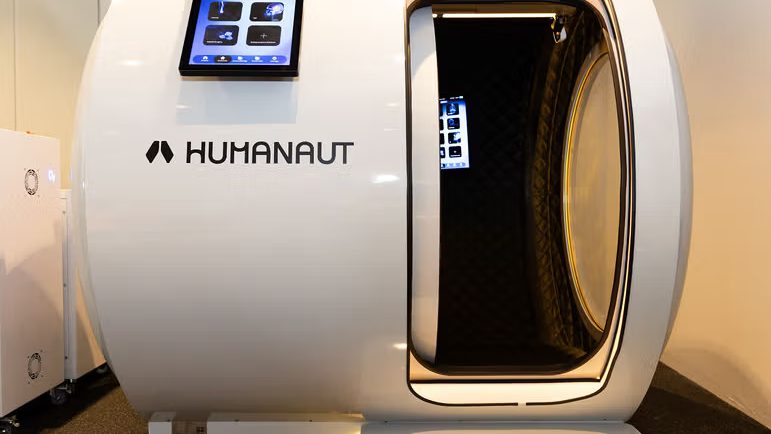
Regenerative medicine has two ideas that keep showing up in the same conversation. One is pressurized oxygen, delivered in a sealed chamber. The other is the body's repair cells, either your own or cells given as a treatment. Interest in stem cells and hyperbaric oxygen therapy as a pairing has grown quickly, and so have bold online claims about what the combination can do.
This guide sorts the solid findings from the speculation. It explains how oxygen under pressure appears to influence circulating progenitor cells, what animal and human studies have tested, where the regulatory lines sit, and which safety questions matter. At Humanaut Health, the aim is evidence-based therapies and measurable outcomes, so the limits of the research are covered as carefully as the promise.
Two Different Questions Behind One Search
People who look up this topic are usually asking one of two things, and the research behind each is quite different.
The first question is whether oxygen therapy affects the stem and progenitor cells your body already makes. This is sometimes called mobilization: cells move out of the bone marrow and into the bloodstream, where they may travel toward injured tissue.
The second question is whether adding pressurized oxygen sessions to a stem cell treatment, such as an injection or infusion of prepared cells, changes how well that treatment works. This is a combination question, and it has its own small body of evidence.
During hyperbaric oxygen therapy, a person breathes close to 100% oxygen inside a chamber pressurized above normal atmospheric levels. This raises the amount of oxygen dissolved in the blood plasma. Humanaut Health also covers the basics of HBOT, including its general benefits and risks, in a separate overview article.
Does Hyperbaric Oxygen Therapy Increase Stem Cells?
The best-known study on this subject came from a University of Pennsylvania team. In healthy volunteers, a single two-hour session at 2.0 atmospheres roughly doubled the number of circulating CD34+ cells, a marker used to identify blood-forming progenitor cells. Across a course of 20 sessions, that count rose about eightfold, while the total white blood cell count did not change significantly (Thom et al., American Journal of Physiology - Heart and Circulatory Physiology, 2006).
The same paper offered a likely mechanism. In mice, the effect disappeared when the gene for endothelial nitric oxide synthase was knocked out, and it was blocked by a drug that inhibits nitric oxide production. That pattern suggests the release of these cells is driven, at least in part, by nitric oxide signaling in the bone marrow.
Some researchers have also described what they call the hyperoxic-hypoxic paradox. The idea is that repeated, intermittent exposure to high oxygen may trigger some of the same repair signals the body normally switches on when oxygen is low, including pathways tied to new blood vessel growth and stem cell migration (Hadanny & Efrati, Biomolecules, 2020). This remains a proposed model rather than a settled explanation.
What the "Eightfold" Figure Does and Does Not Mean
The eightfold number is often repeated as proof that HBOT "multiplies stem cells." That reading goes further than the data. The study measured one type of progenitor cell circulating in the blood, in a small group, over a defined protocol. It did not show that tissue regenerated faster, that new cells settled in a specific joint or organ, or that the rise translated into a health outcome. It is an interesting physiological signal, not a demonstrated treatment effect.
Stem Cells and Hyperbaric Oxygen Therapy for Wound Care
Wound healing is where the overlap between the two fields has the firmest footing, largely because HBOT already has an established role there.
A Cochrane review of 12 randomized trials found that, for diabetic foot ulcers, HBOT appeared to improve the chance of healing at around six weeks, though the benefit was not clear at longer follow-up. The included trials did not report adverse events, and the authors called for larger, better-designed studies (Kranke et al., Cochrane Database of Systematic Reviews, 2015).
Researchers have also looked at what happens to progenitor cells in people with these wounds. In 25 patients with diabetes and non-healing lower-leg ulcers, circulating CD34+ progenitor cells roughly doubled after each HBOT session, with similar increases at the first, tenth, and twentieth treatments. Tissue samples from the wound edges also showed more progenitor-cell markers (Thom et al., Wound Repair and Regeneration, 2011). The study was small and did not measure whether healing itself improved because of these cells.
Animal work has tested a true combination. In diabetic mice, wounds treated with a scaffold seeded with umbilical cord (Wharton's jelly) stem cells plus HBOT closed faster by day seven than wounds receiving either treatment alone (Peña-Villalobos et al., Frontiers in Physiology, 2018). Results in mice often fail to carry over to people, so this finding is a reason for further research, not a clinical conclusion.
What Happens When Hyperbaric Oxygen Therapy and Stem Cell Therapy Are Combined?
Beyond wounds, most combination studies come from laboratory animals. In rats with acute spinal cord injury, daily HBOT plus intravenous fat-derived mesenchymal stem cells was associated with better movement recovery and lower inflammation markers than either therapy alone (Yin et al., Cell Transplantation, 2022). A study from the same research group reported that umbilical cord stem cells plus HBOT reduced bleeding volume and improved neurological scores in rats after a brain hemorrhage, over a 28-day window (Yip et al., Journal of Cellular and Molecular Medicine, 2021).
Human data are much thinner. The only randomized trial identified for this article enrolled 23 adults with type 2 diabetes in Argentina. The intervention group received 10 HBOT sessions, an infusion of their own bone marrow stem cells into the pancreas, then 10 more sessions. Compared with standard care, this group had lower HbA1c at 180 days (6.7% vs 8.2%), higher C-peptide, and lower insulin needs at one year, with no procedural complications reported (Estrada et al., Cell Transplantation, 2019).
That trial has real limits. It was small, ran at a single center, followed patients for one year, and could not show whether the oxygen sessions, the cells, or the procedure itself drove the difference. Results like these are a starting point. The evidence for stem cell treatments also varies a great deal by condition, as Humanaut Health explains in its review of stem cell therapy for knees.
What the Evidence Shows at a Glance
Study | Who or what was studied | What was tested | Main finding | Evidence level | |
Thom 2006 | Healthy adults and mice | HBOT alone | Circulating CD34+ cells rose about eightfold over 20 sessions | Small mechanistic study | |
Thom 2011 | 25 adults with diabetic ulcers | HBOT alone | Progenitor cells roughly doubled after each session | Preliminary human study | |
Peña-Villalobos 2018 | Diabetic mice | HBOT plus stem cell scaffold | Faster wound closure than either alone | Animal study | |
Yin 2022, Yip 2021 | Rats | HBOT plus stem cell infusion | Better neurological recovery than either alone | Animal studies | |
Estrada 2019 | 23 adults with type 2 diabetes | HBOT plus bone marrow stem cells | Better blood sugar control than standard car | Small randomized trial | |
Kranke 2015 | 12 trials, mostly diabetic foot ulcers | HBOT alone | Short-term healing benefit only | Cochrane review |
Regulatory Status: What Is and Is Not FDA-Cleared
These two therapies are regulated separately, and neither approval extends to the other.
Hyperbaric chambers are FDA-cleared for a defined list of conditions, such as decompression sickness, air or gas embolism, carbon monoxide poisoning, certain non-healing diabetic foot ulcers, and some radiation injuries. The agency has warned consumers that HBOT is not cleared for many conditions promoted online (U.S. Food and Drug Administration, Hyperbaric Oxygen Therapy: Get the Facts). Raising stem cell counts is not a cleared use.
Stem cell products generally require FDA approval. Approved cord blood products are limited to disorders of blood production (U.S. Food and Drug Administration, Consumer Alert on Regenerative Medicine Products). In December 2024, the FDA approved its first mesenchymal stromal cell therapy, but only for a specific immune complication in children after transplant (U.S. Food and Drug Administration, 2024).
No stem cell product is FDA-approved for wound care, joint conditions, or anti-aging, and no regimen pairing HBOT with a stem cell treatment carries FDA approval for any condition.
Safety Considerations
HBOT is generally well tolerated when patients are screened and protocols are followed. The most common side effect is pressure-related ear discomfort or injury, known as middle-ear barotrauma. Sinus pressure, temporary nearsightedness, and claustrophobia also occur, while oxygen-toxicity seizures are rare (Heyboer et al., Advances in Wound Care, 2017).
Stem cell procedures carry their own risks. The FDA lists possible problems such as infection, reactions at the injection site, and cells moving to or growing in places they should not, especially with unapproved products from unregulated sources.
Combining therapies does not cancel these risks, and it may add complexity. Many trials in this area also reported adverse events incompletely, which makes the true safety picture harder to judge.
Who Might Discuss This Combination With a Clinician?
The combination is not a standard therapy, so any interest in it is best explored through an individual medical evaluation. People who already qualify for HBOT for a cleared indication, or who are researching regenerative options for a specific condition, may want to ask a physician how current evidence applies to them.
A thoughtful evaluation typically looks at diagnosis, overall health, medications, ear and lung health for chamber safety, and realistic goals. Advanced diagnostics and a personalized, proactive partnership with a care team help keep decisions grounded in data rather than marketing claims.
Frequently Asked Questions
Does hyperbaric oxygen therapy increase stem cells?
Studies show that HBOT can raise the number of CD34+ progenitor cells circulating in the blood, apparently through nitric oxide signaling. Higher circulating counts have not been shown to translate directly into faster tissue repair.
Is the "eightfold increase in stem cells" claim accurate?
The figure comes from a small 2006 study that measured one type of circulating progenitor cell after 20 sessions. It does not mean the body's total stem cells multiplied or that healing improved eightfold.
Can hyperbaric oxygen therapy and stem cell therapy be used together?
Some clinics offer both, and animal studies suggest they may complement each other. Human evidence is limited to small studies, so the pairing remains investigational.
Is HBOT used for wound healing?
Yes, HBOT is FDA-cleared for certain non-healing diabetic foot ulcers. A Cochrane review found a short-term healing benefit, though longer-term results were less clear.
Are there human trials combining HBOT with stem cells?
One small randomized trial in 23 adults with type 2 diabetes reported better blood sugar control with the combination. Larger studies would be needed to confirm this.
Is the combination FDA-approved?
No. HBOT is cleared only for specific conditions, and no stem cell product is approved for use alongside HBOT for any condition.
What are the side effects of HBOT?
Pressure-related ear injury tops the list in published reviews. Patients may also notice sinus pain, short-lived blurring of distance vision, or anxiety in an enclosed space, and seizures linked to oxygen toxicity are uncommon.
Should HBOT be done before or after a stem cell procedure?
Published studies have not compared different orders head to head. The diabetes trial scheduled ten chamber sessions on each side of the cell infusion, yet that protocol was built for one condition and is not a general rule.
Key Takeaways
- Interest in stem cells and hyperbaric oxygen therapy really spans two topics: pressurized oxygen drawing your own progenitor cells into circulation, and pressurized oxygen layered onto a prepared cell treatment.
- Chamber sessions lift blood levels of CD34+ progenitor cells in small studies, though nobody has yet tied that rise to quicker healing.
- Rodent experiments supply most of the encouraging combination data, and a single 23-person diabetes trial is the main human example.
- For selected diabetic foot ulcers, HBOT is an FDA-cleared option, and pooled trial data point to a benefit that is clearest in the first weeks.
- Regulators have not approved any cell product for pairing with HBOT, and each therapy brings separate risks worth reviewing with a physician.
To talk through whether stem cell therapy belongs in your own care, Humanaut Health's regenerative medicine physicians offer a concierge consultation shaped around your history and goals.
References
- Thom SR, Bhopale VM, Velazquez OC, Goldstein LJ, Thom LH, Buerk DG. "Stem cell mobilization by hyperbaric oxygen." American Journal of Physiology - Heart and Circulatory Physiology, 2006; 290(4):H1378-H1386. DOI: 10.1152/ajpheart.00888.2005
- Hadanny A, Efrati S. "The Hyperoxic-Hypoxic Paradox." Biomolecules, 2020; 10(6):958. DOI: 10.3390/biom10060958
- Kranke P, Bennett MH, Martyn-St James M, Schnabel A, Debus SE, Weibel S. "Hyperbaric oxygen therapy for chronic wounds." Cochrane Database of Systematic Reviews, 2015; Issue 6, Art. No. CD004123. DOI: 10.1002/14651858.CD004123.pub4
- Thom SR, Milovanova TN, Yang M, Bhopale VM, Sorokina EM, Uzun G, Malay DS, Troiano MA, Hardy KR, Lambert DS, Logue CJ, Margolis DJ. "Vasculogenic stem cell mobilization and wound recruitment in diabetic patients: increased cell number and intracellular regulatory protein content associated with hyperbaric oxygen therapy." Wound Repair and Regeneration, 2011; 19(2):149-161. DOI: 10.1111/j.1524-475X.2010.00660.x
- Peña-Villalobos I, Casanova-Maldonado I, Lois P, Prieto C, Pizarro C, Lattus J, Osorio G, Palma V. "Hyperbaric Oxygen Increases Stem Cell Proliferation, Angiogenesis and Wound-Healing Ability of WJ-MSCs in Diabetic Mice." Frontiers in Physiology, 2018; 9:995. DOI: 10.3389/fphys.2018.00995
- Yin TC, Shao PL, Chen KH, Lin KC, Chiang JY, Sung PH, Wu SC, Li YC, Yip HK, Lee MS. "Synergic Effect of Combined Therapy of Hyperbaric Oxygen and Adipose-Derived Mesenchymal Stem Cells on Improving Locomotor Recovery After Acute Traumatic Spinal Cord Injury in Rat." Cell Transplantation, 2022; 31:9636897221133821. DOI: 10.1177/09636897221133821
- Yip HK, Lin KC, Sung PH, Chiang JY, Yin TC, Wu RW, Chen KH. "Umbilical cord-derived MSC and hyperbaric oxygen therapy effectively protected the brain in rat after acute intracerebral haemorrhage." Journal of Cellular and Molecular Medicine, 2021; 25(12):5640-5654. DOI: 10.1111/jcmm.16577
- Estrada EJ, Decima JL, Bortman G, Roberti J, Romero EB, Samaja G, Rodríguez Saavedra A, Martínez G, Gutiérrez S. "Combination treatment of autologous bone marrow stem cell transplantation and hyperbaric oxygen therapy for type 2 diabetes mellitus: a randomized controlled trial." Cell Transplantation, 2019; 28(12):1632-1640. DOI: 10.1177/0963689719883813
- U.S. Food and Drug Administration. "Hyperbaric Oxygen Therapy: Get the Facts." Consumer Update. URL: fda.gov
- U.S. Food and Drug Administration. "Consumer Alert on Regenerative Medicine Products Including Stem Cells and Exosomes." 2020. URL: fda.gov
- U.S. Food and Drug Administration. "FDA Approves First Mesenchymal Stromal Cell Therapy to Treat Steroid-refractory Acute Graft-versus-host Disease." Press release, December 18, 2024. URL: fda.gov
- Heyboer M 3rd, Sharma D, Santiago W, McCulloch N. "Hyperbaric Oxygen Therapy: Side Effects Defined and Quantified." Advances in Wound Care, 2017; 6(6):210-224. DOI: 10.1089/wound.2016.0718