Unlock Youth: Stem Cell Therapy for Anti-Aging Rejuvenation
5 min read
AUTHOR

MEDICALLY REVIEWED BY

Aging is not a single event- it is a collection of biological processes unfolding at the cellular level over decades. Interest in stem cell therapy for anti-aging has grown substantially as researchers begin to understand the mechanisms behind these processes, and as early clinical trials produce measurable results. While the field is still maturing, emerging evidence suggests that stem cell-based interventions may support healthspan in ways that conventional medicine has not previously addressed.
This article reviews how this regenerative approach works, what the current clinical evidence shows, and who may be a candidate for this type of care.
Why We Age: The Biological Roots
Aging at the cellular level is driven by several interconnected processes. Among the most studied are telomere shortening, cellular senescence, and stem cell exhaustion.
Telomeres - the protective caps at the ends of chromosomes- shorten with each cell division. Research published in Biomedicines indicates that telomere attrition in the stem cell niche leads to the exhaustion of regenerative capacity in high-turnover organs, contributing to the onset of age-related conditions (Biomedicines, 2022).
Alongside telomere shortening, the body accumulates senescent cells- cells that have stopped dividing but remain metabolically active and release pro-inflammatory signals. This chronic low-grade inflammation, sometimes called "inflammaging," is now recognized as a central driver of age-related tissue decline.
Finally, the body's own stem cell population diminishes from mid-adulthood onward, reducing its capacity to repair and regenerate damaged tissue. It is this decline in regenerative capacity that anti-aging stem cell therapy aims to address.
What Is Anti-Aging Stem Cell Therapy?
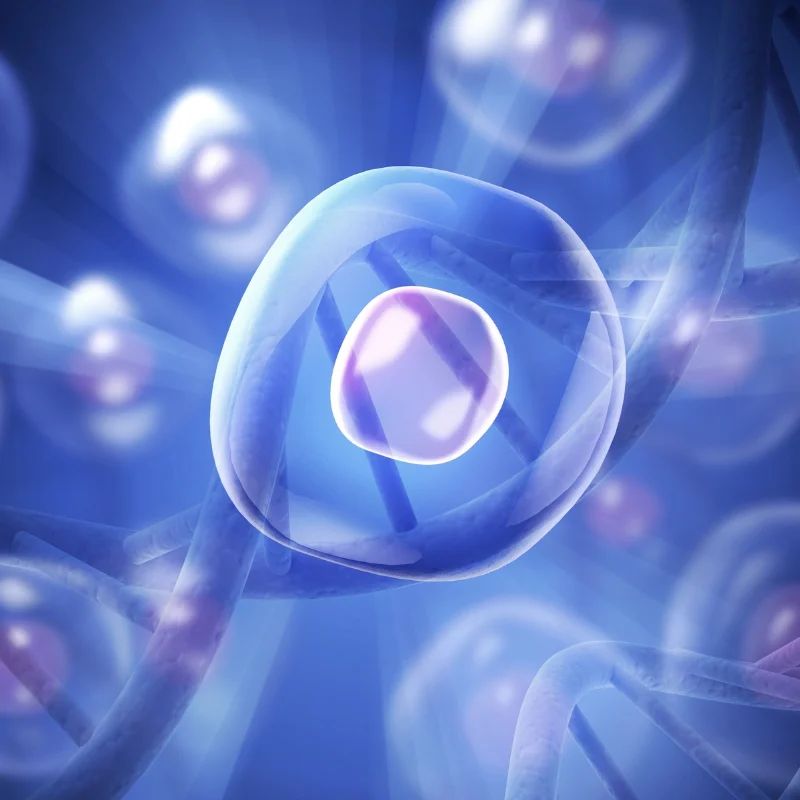
This regenerative approach involves introducing or stimulating stem cells to support the body's repair and regeneration processes. The primary cells used in anti-aging research are mesenchymal stem cells (MSCs), which can be sourced from bone marrow, adipose (fat) tissue, or umbilical cord tissue.
MSCs do not primarily work by replacing damaged cells directly. Instead, they operate through paracrine signaling- releasing growth factors, cytokines, and extracellular vesicles (EVs) that modulate the surrounding cellular environment. This mechanism is why researchers are also investigating cell-free approaches, using exosomes and conditioned media derived from MSCs, rather than the cells themselves.
It is important to note that this is an emerging field. No MSC-based therapy currently holds FDA approval for anti-aging indications in the United States. This article is educational in nature, and anyone considering this type of care should consult a qualified healthcare provider.
How Does Anti-Aging Stem Cell Therapy Work?
Reducing Chronic Inflammation
One of the best-documented effects of MSC therapy is the reduction of pro-inflammatory cytokines. In a 2024 Phase I/II double-blind, placebo-controlled trial published in Stem Cell Research & Therapy, 30 adults aged 60–80 with aging frailty received two intravenous infusions of umbilical cord-derived MSCs. At six months, the treatment group showed significant reductions in TNF-α (p=0.034) and IL-17 (p=0.033) compared to placebo (Zhu et al., *Stem Cell Research & Therapy*, 2024 (https://doi.org/10.1186/s13287-024-03707-2)).
Supporting Telomere Maintenance
A 2024 review in Bioengineering examined how MSC-derived extracellular vesicles may support telomere length maintenance. The research indicates that these vesicles transfer proteins and mRNA that appear to support cellular longevity mechanisms, with young MSC-derived EVs demonstrating superior anti-inflammatory activity compared to those from aged cell sources (Gonzalez Arellano et al., *Bioengineering*, 2024 (https://doi.org/10.3390/bioengineering11060524)). This research is at a review and preclinical stage, and large-scale human trials are still needed.
Stimulating Tissue Regeneration
A 2025 systematic review in Frontiers in Aging reports that the therapeutic effects of stem cell interventions operate through tissue repair, metabolic regulation, and immunomodulation simultaneously (He et al., *Frontiers in Aging*, 2025 (https://doi.org/10.3389/fragi.2025.1638168)). This multi-mechanism action is what distinguishes stem cell approaches from single-target therapies.
What the Clinical Evidence Shows
Physical Frailty and Functional Aging
The most advanced clinical program in MSC-based longevity research involves Lomecel-B, an allogeneic bone marrow-derived MSC preparation. A 2023 review in Frontiers in Aging identified 17 international clinical trials underway across two primary aging targets- physical frailty and facial skin aging- with Lomecel-B having progressed to Phase 2b (Garay, *Frontiers in Aging*, 2023 (https://doi.org/10.3389/fragi.2023.1148926)). Results to date show modest but statistically significant improvements in six-minute walk distance and a reduction in inflammatory markers.
The 2024 umbilical cord MSC trial cited above adds to this picture. Beyond inflammatory marker reductions, participants showed significant improvements in grip strength (p=0.002) and Timed Up and Go test performance (p<0.05), and a 2.05-second improvement in the 4-meter walking test at six months- with no serious adverse events reported (Zhu et al., 2024 (https://doi.org/10.1186/s13287-024-03707-2)).
Skin Rejuvenation Evidence
For facial skin aging, clinical evidence is accumulating. The 2025 Frontiers in Aging systematic review reports that autologous adipose-derived stem cell injections produced average improvement rates of 33.3%–40% for facial wrinkles, nasolabial fold depth, and lower eyelid drooping (He et al., 2025 (https://doi.org/10.3389/fragi.2025.1638168)).
A 2024 randomized controlled trial involving 64 photoaged subjects found that human adipose stem cell-conditioned medium produced significant improvements in wrinkle parameters, pore appearance, UV spot visibility, and skin tone compared to vehicle control. A separate 12-week prospective, randomized, split-face study confirmed significant skin aging improvements using adipose tissue stem cell-derived exosomes combined with microneedling (Park et al., *Journal of Cosmetic Dermatology*, 2023 (https://doi.org/10.1111/jocd.15872)).
Safety Considerations
The clinical trials reviewed here report a favorable safety profile for MSC therapies in longevity applications. In the 2024 umbilical cord MSC trial, no serious adverse events occurred, and minor side effects were comparable between treatment and placebo groups. The 2025 systematic review similarly notes that MSC-based therapies have demonstrated a low risk of tumor formation and minimal immune rejection in studies to date.
As with any advanced therapy, individual risk profiles vary. The absence of serious adverse events in early-phase trials does not guarantee safety across all populations, and ongoing Phase III data will be needed to fully characterize the long-term safety picture. This underscores the importance of personalized evaluation by a qualified provider before pursuing any anti-aging stem cell treatment.
Who May Benefit?
Based on the populations studied in clinical trials, stem cell anti-aging therapy may be of interest to adults who:
- Are experiencing signs of biological aging, including reduced physical performance, fatigue, or inflammatory markers above optimal ranges
- Are proactively seeking evidence-informed longevity strategies
- Want skin rejuvenation options beyond conventional dermatology
Candidacy is best determined through comprehensive diagnostics- including advanced lab work, physical assessment, and a personalized consultation with a provider experienced in regenerative medicine.
Frequently Asked Questions
What type of stem cells are used for anti-aging?
The most studied stem cells for anti-aging are mesenchymal stem cells (MSCs), which can be sourced from bone marrow, adipose tissue, or umbilical cord tissue. Each source has different characteristics, and the choice depends on the specific application and the provider's clinical protocol.
Is stem cell therapy for anti-aging FDA-approved?
As of 2026, no MSC-based therapy holds FDA approval for anti-aging indications in the United States. Treatments are available in clinical research settings, and regulatory status varies internationally. Always confirm the regulatory context with your provider.
How quickly do results from anti-aging stem cell treatment appear?
In the trials reviewed here, measurable physical and inflammatory improvements were observed at one to six months following treatment. Skin rejuvenation studies report improvements at six weeks to three months. Individual results will vary based on age, baseline health, and the specific protocol used.
What is the difference between stem cell injections and exosome therapy?
Stem cell injections involve introducing living cells, which then act through paracrine signaling. Exosome therapy uses extracellular vesicles derived from stem cells- a cell-free approach. Both methods aim to deliver similar regenerative signals; exosome therapy is often considered when living cell infusions are not appropriate.
Is stem cell anti-aging therapy safe?
Early-phase clinical trials report no serious adverse events associated with MSC infusions in these regenerative protocols. MSC therapies are generally considered to have a low immunogenic profile. As with all interventional treatments, individual assessment is essential.
How does stem cell therapy compare to other anti-aging treatments?
Stem cell therapy operates at a foundational biological level- targeting inflammation, tissue repair, and cellular regeneration. Unlike topical treatments or isolated hormone therapies, MSC interventions are thought to act across multiple aging mechanisms simultaneously. Evidence is still emerging relative to more established approaches.
Can stem cell therapy reverse aging?
Current evidence does not support the claim that stem cell therapy reverses aging. What the research suggests is that MSC-based interventions may slow certain aging processes, improve functional markers, and support tissue quality. Claims of "reversing" aging are not supported by the current clinical trial data.
How do I know if I'm a candidate for stem cell therapy?
Candidacy is determined through a comprehensive health evaluation, including advanced diagnostics, biomarker analysis, and a consultation with a longevity-focused provider. This ensures treatment decisions are grounded in your individual health picture.
Key Takeaways
- Stem cell therapy for anti-aging is an emerging field with a growing body of Phase I/II clinical trial evidence, but no FDA-approved anti-aging MSC therapy exists in the US as of 2026
- Mesenchymal stem cells are the primary cell type studied, and they appear to work by reducing chronic inflammation, supporting tissue regeneration, and potentially influencing telomere maintenance
- Clinical trials report measurable improvements in grip strength, physical performance, and inflammatory markers in frail older adults
- Skin rejuvenation studies show 33.3%–40% improvement in wrinkle and nasolabial fold measurements with adipose-derived MSC approaches
- Safety data from early trials are favorable, with no serious adverse events in reviewed studies
- Personalized evaluation through advanced diagnostics is the appropriate first step for anyone considering this therapy
If you are interested in exploring evidence-based regenerative medicine as part of a comprehensive longevity strategy, Humanaut Health offers personalized assessment and advanced therapies tailored to your health goals. Explore Humanaut Health's regenerative medicine services to learn more.
References
- Garay, R.P. "Recent clinical trials with stem cells to slow or reverse normal aging processes." Frontiers in Aging, 2023; 4:1148926. DOI: 10.3389/fragi. 2023.1148926 (https://doi.org/10.3389/fragi.2023.1148926)
- He, L., Han, D., Zong, F., Zhang, Y., Han, Z., Xu, Z. "Recent progress in stem cell and immune cell-based interventions for aging and age-related disorders." Frontiers in Aging, 2025; 6:1638168. DOI: 10.3389/fragi. 2025.1638168 (https://doi.org/10.3389/fragi.2025.1638168)
- Zhu, Y., Huang, C., et al. "Safety and efficacy of umbilical cord tissue-derived mesenchymal stem cells in the treatment of patients with aging frailty: a phase I/II randomized, double-blind, placebo-controlled study." Stem Cell Research & Therapy, 2024; 15:122. DOI: 10.1186/s13287-024-03707-2 (https://doi.org/10.1186/s13287-024-03707-2)
- Gonzalez Arellano, M.Y., VanHeest, M., Emmadi, S., Abdul-Hafez, A., et al. "Role of Mesenchymal Stem/Stromal Cells (MSCs) and MSC-Derived Extracellular Vesicles (EVs) in Prevention of Telomere Length Shortening, Cellular Senescence, and Accelerated Biological Aging." Bioengineering (Basel), 2024; 11(6):524. DOI: 10.3390/bioengineering11060524 (https://doi.org/10.3390/bioengineering11060524)
- Park et al. "Efficacy of combined treatment with human adipose tissue stem cell-derived exosome-containing solution and microneedling for facial skin aging: A 12-week prospective, randomized, split-face study." Journal of Cosmetic Dermatology, 2023. DOI: 10.1111/jocd. 15872 (https://doi.org/10.1111/jocd.15872)
- Multiple authors. "A Comparative Study on Adipose-Derived Mesenchymal Stem Cells Secretome Delivery Using Microneedling and Fractional CO2 Laser for Facial Skin Rejuvenation." Clinical, Cosmetic and Investigational Dermatology, 2023. DOI: 10.2147/CCID.S401839 (https://doi.org/10.2147/CCID.S401839)
- Multiple authors. "The Effect of Human Adipose Stem Cell-Conditioned Medium (hASC-CM) in Photoaged Skin." PubMed Central, 2024. PMC11750066.
- Garay, R.P. "Clinical studies with drugs and biologics aimed at slowing or reversing normal aging processes- emerging results and future perspectives." Exploration of Drug Science, 2023. DOI: 10.37349/eds. 2023.00040 (https://doi.org/10.37349/eds.2023.00040)
- Multiple authors. "Telomeres and Telomerase in the Control of Stem Cells." Biomedicines, 2022; 10(10):2335. DOI: 10.3390/biomedicines10102335 (https://doi.org/10.3390/biomedicines10102335)