EBOO Treatment Benefits for Detox: What the Evidence Actually Shows
5 min read
AUTHOR

MEDICALLY REVIEWED BY

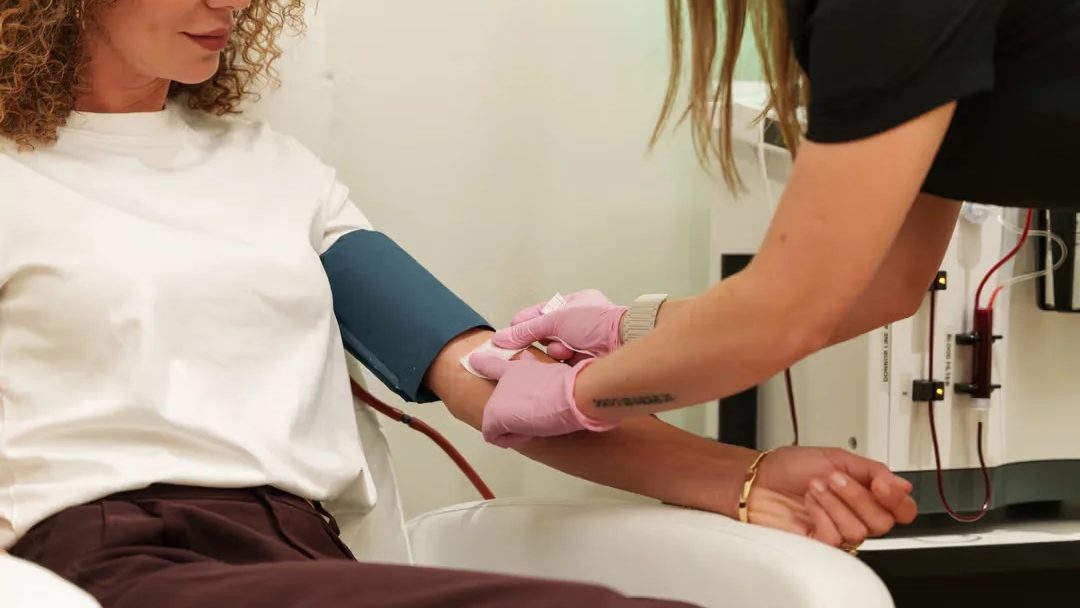
EBOO treatment benefits for detox are heavily promoted in wellness and longevity circles, often alongside language suggesting the therapy "purifies" or "cleanses" the blood of toxins. The reality is more specific - and more interesting. The body's actual detoxification work is carried out continuously by the liver and kidneys, not by any external blood treatment. What EBOO (Extracorporeal Blood Oxygenation and Ozonation) actually does, according to the clinical and mechanistic literature, is expose filtered blood to a controlled oxygen-ozone mixture - a process associated with oxidative preconditioning, antioxidant pathway activation, and shifts in inflammatory signaling. This article looks at what the evidence does and doesn't support about EBOO detox claims, how the procedure works, and what a typical EBO2 session at Humanaut Health involves.
What Does "Detox" Actually Mean?
Before evaluating what EBOO can or cannot do, it helps to define detoxification in strict physiological terms. The liver and kidneys are the body's primary organs of detoxification and excretion, relying on enzymatic biotransformation and continuous filtration systems to neutralize and clear metabolic waste, medications, and other foreign compounds from the bloodstream - without any external intervention. This is the standard against which any "detox" claim, including EBOO detox marketing, should be measured. EBOO does not replace, replicate, or accelerate hepatic or renal function; its documented effects operate through an entirely different biological pathway, discussed below.
What Is EBOO Therapy? How the Procedure Works
EBOO - Extracorporeal Blood Oxygenation and Ozonation - is a medical procedure in which blood is drawn from the body, passed through a filtration membrane, infused with a controlled oxygen-ozone gas mixture, and then returned through a separate vein. The technique was developed and studied in clinical settings beginning in the early 2000s, when researchers documented feasibility and safety data across more than 1,200 treatments in a small patient cohort (Di Paolo et al., International Journal of Artificial Organs, 2000). Foundational ozone-therapy literature from the same era describes broader mechanisms of immune modulation, oxygen metabolism, and redox signaling that later research has built on (Bocci, Archives of Medical Research, 2006). It is important to note that EBOO is not FDA-approved. It is offered as an elective procedure outside standard FDA-cleared indications, and prospective patients should discuss candidacy with a physician.

The Filtration Step vs. the Ozone Step
EBOO actually combines two mechanically distinct processes that are often blurred together in marketing material. The first is physical filtration, in which blood passes through a membrane that may capture some circulating material - a mechanical, not chemical, effect. The second is ozone exposure, a biochemical process described in the literature as producing measurable redox (oxidation-reduction) changes in blood components (Carocci, Catalano et al., Blood Purification, 2005). Ozone-dialysis-style delivery, the method used in EBOO, has also been described as delivering substantially more ozone per session - potentially three times as much or more - compared with intravenous push methods or major autohemotherapy (Smith et al., Frontiers in Medicine, 2022). Separating these two components - what is filtered mechanically, and what happens biochemically once ozone is introduced - is essential to an accurate discussion of EBOO's effects.
EBOO Treatment Benefits for Detox: What the Research Actually Supports
When people search for EBOO treatment benefits for detox, what they are often really asking about is oxidative and immune-related activity, not literal toxin removal. Here is what the current research base actually supports.
Oxidative Preconditioning and Antioxidant Pathway Activation
The most substantiated mechanism behind EBOO's effects is oxidative preconditioning. Exposure to a controlled, low dose of ozone appears to create a mild, transient, dose-dependent oxidative stress - sometimes described in the literature as "oxidative eustress" - that stabilizes a cellular regulator called Nrf2 by disrupting its normal degradation pathway (Galiè et al., International Journal of Molecular Sciences, 2019). Once stabilized, Nrf2 is associated with increased expression of the body's own antioxidant enzymes, including superoxide dismutase, catalase, glutathione peroxidase, and heme oxygenase-1 (Galiè et al., 2019; Sagai & Bocci, Medical Gas Research, 2011). In plain terms, rather than externally "removing toxins," EBOO appears to work by prompting the body's own antioxidant defenses to become more active - a fundamentally different mechanism than the one implied by typical detox marketing language.
Immune Modulation - an "Immune Reset"?
Some marketing describes EBOO as an "immune reset." Early evidence suggests a more modest and more specific effect. In patients receiving medical ozone via major autohemotherapy - a related but distinct ozone-delivery method - researchers observed increased Nrf2 phosphorylation alongside reductions in oxidative stress markers and pro-inflammatory cytokines (Delgado-Roche et al., European Journal of Pharmacology, 2017). A more recent narrative review similarly describes preliminary associations between ozone exposure and a shift toward an anti-inflammatory cytokine profile - reduced TNF-α, IL-1β, and IL-6, alongside increased IL-10 - plus changes in natural killer cell and macrophage activity (Napiórkowska-Baran et al., Current Issues in Molecular Biology, 2025). The review's own authors describe these findings as preliminary, pending larger controlled trials, and this article treats them the same way - as an early, mechanism-level signal rather than an established immune benefit specific to EBOO.
Circulation and Filtration Effects
Separately from ozone's biochemical effects, the filtration component of EBOO is a mechanical process that may remove some circulating material as blood passes through the membrane. This is distinct from, and should not be conflated with, the antioxidant and immune-related effects associated with ozone exposure itself (Carocci, Catalano et al., 2005). Any accurate discussion of ozone detox EBOO therapy should keep these two mechanisms - mechanical filtration and ozone-driven biochemistry - separate, rather than treating them as a single, undifferentiated detox effect.
What the Clinical Evidence Shows - and Where It's Still Limited
Early Safety and Feasibility Data
The earliest published EBOO data comes from a preliminary report describing more than 1,200 treatments administered to 82 patients, which found the procedure was generally well tolerated in that small, uncontrolled cohort (Di Paolo et al., 2000). This kind of early feasibility data establishes that EBOO has a documented clinical history rather than being a purely wellness-industry invention, but it does not, on its own, establish efficacy for any specific condition or for detox outcomes.
A Controlled Trial in Peripheral Artery Disease
The strongest EBOO-specific clinical data available comes from a controlled trial of 28 patients with peripheral artery disease, which found that EBOO was associated with greater regression of disease-related skin lesions, along with improvements in pain and self-reported well-being, compared with intravenous prostacyclin (Di Paolo et al., International Journal of Artificial Organs, 2005). This is a meaningful data point, but it comes from a small, single-condition trial that was not placebo-controlled or blinded, so it should not be generalized to detox claims or to other conditions.
Why the Evidence Base Is Still Developing
Perhaps the most important context for evaluating any EBOO detox claim comes from the highest tier of evidence available on ozone therapy broadly. A 2026 umbrella review of systematic reviews and meta-analyses of randomized controlled trials found that ozone therapy did not show consistent benefit over placebo or standard care across the conditions it evaluated, including chronic periodontitis, COVID-19, diabetic foot ulcers, and post-surgical recovery (Cacciatore et al., Medicina, 2026 (https://doi.org/10.3390/medsci14020289)). This review did not evaluate EBOO specifically or detox outcomes directly, but it is a necessary counterweight: research indicates that ozone-based therapies, as a category, have not consistently outperformed placebo across the outcomes studied so far, and any marketing claim that goes beyond this evidence should be viewed with appropriate skepticism.
EBOO vs. What the Liver and Kidneys Already Do
None of the mechanisms described above amount to literal detoxification in the way the liver and kidneys perform it continuously, at scale, without external intervention (Khoshdel Rad et al., Cell Journal, 2024). The liver metabolizes and conjugates a vast range of endogenous and foreign compounds for elimination, and the kidneys filter blood continuously to excrete water-soluble waste through urine. EBOO does not replace, replicate, or measurably accelerate either process. Framed accurately, EBOO's evidence-supported effects - oxidative preconditioning, antioxidant enzyme upregulation, and preliminary immune-modulating signals - belong to a different category of biological activity than organ-level detoxification, even when both are described using similar marketing language. For readers evaluating EBOO alongside other blood-based therapies, a closer comparison of explains how the two procedures differ mechanically and clinically.
Safety Considerations
Medical ozone's general pharmacodynamic and safety profile has been characterized in the clinical review literature, and it carries known contraindications - including certain blood disorders - that require physician screening before treatment (Elvis & Ekta, Journal of Natural Science, Biology and Medicine, 2011). Because EBOO is not FDA-approved and its evidence base remains limited to small trials and mechanistic research, it should be considered an elective procedure requiring individualized medical evaluation rather than a substitute for standard medical care. Anyone considering EBOO or EBO2 therapy should discuss their full medical history, current medications, and any relevant blood disorders with a qualified physician before proceeding.
What to Expect During an EBOO/EBO2 Session at Humanaut Health
Humanaut Health describes its EBO2 ozone therapy as a roughly 90-minute session administered by a registered nurse, following a five-step closed-loop process: blood is drawn, oxygenated and ozonated, filtered, exposed to photobiomodulation, and then returned to the body. Humanaut Health describes EBO2 as intended to support circulation, help modulate inflammation, and contribute to a broader blood purification therapies approach to wellness - claims that should be understood as the clinic's stated intent, consistent with the oxidative and immune mechanisms discussed above, rather than as independently proven outcomes for every patient. To learn whether EBO2 ozone therapy physician consultation is the recommended first step.

Frequently Asked Questions
Does EBOO really detox the blood?
Not in the literal sense of replacing liver or kidney function. Research indicates EBOO's documented effects operate through oxidative preconditioning and immune modulation rather than direct toxin removal, so EBOO treatment benefits for detox are best understood as one part of a broader EBOO detox conversation, not a stand-alone detoxification process.
What is the difference between EBOO and EBO2?
EBOO (Extracorporeal Blood Oxygenation and Ozonation) is the general clinical procedure described in the research literature. EBO2 is Humanaut Health's specific implementation of that process, which the clinic describes as including a photobiomodulation step alongside the filtration and ozonation stages. The underlying mechanisms - filtration and controlled ozone exposure - are the same.
Is EBOO detox therapy backed by scientific evidence?
Some aspects are, and some are not. Mechanistic research on the Nrf2 antioxidant pathway is well-supported (Galiè et al., 2019), and one small controlled trial found benefit in peripheral artery disease (Di Paolo et al., 2005). However, a 2026 umbrella review found inconsistent evidence for ozone therapy's clinical benefit across the conditions it studied (Cacciatore et al., 2026), and no large-scale trial has specifically tested EBOO for detox outcomes.
How does ozone activate the body's antioxidant pathways?
Controlled, low-dose ozone exposure creates a mild, transient oxidative stress that stabilizes the Nrf2 protein, which in turn is associated with increased expression of the body's own antioxidant enzymes, including superoxide dismutase and glutathione peroxidase (Galiè et al., 2019).
Is EBOO/ozone therapy more of a detox treatment or an immune reset?
Neither label fully fits on its own. The evidence base points more toward oxidative preconditioning and preliminary immune modulation - described in some research as shifts in inflammatory cytokines and immune cell activity - than toward literal detoxification (Napiórkowska-Baran et al., 2025). Framing ozone detox EBOO therapy strictly as either a "detox" or an "immune reset" oversimplifies mechanisms that researchers still consider preliminary.
Can EBOO replace what the liver and kidneys do?
No. The liver and kidneys are the body's primary detoxification organs, continuously metabolizing and filtering waste from the blood (Khoshdel Rad et al., 2024). EBOO does not replicate or replace these functions; its documented effects operate through a different biological pathway entirely.
Is EBOO therapy safe?
Early feasibility data found the procedure generally well tolerated in a small, uncontrolled patient cohort (Di Paolo et al., 2000), and medical ozone's broader safety profile has been characterized in clinical review literature, including known contraindications (Elvis & Ekta, 2011). Because large-scale, controlled EBOO-specific safety data remains limited, individualized physician screening for contraindications is recommended before treatment.
Key Takeaways
- EBOO treatment benefits for detox are best understood as oxidative preconditioning and preliminary immune modulation, not literal toxin removal.
- The liver and kidneys remain the body's primary detoxification organs, and EBOO does not replace their function.
- Controlled ozone exposure appears to activate the Nrf2 antioxidant pathway and shift certain inflammatory markers, per mechanistic and early clinical research.
- EBOO-specific controlled clinical data remains limited - mainly small trials such as the peripheral artery disease study - and a 2026 umbrella review found inconsistent evidence for ozone therapy generally.
- EBOO and EBO2 are not FDA-approved; anyone considering treatment should discuss candidacy, contraindications, and realistic expectations, including EBOO detox claims, with a qualified physician.
To learn more about Humanaut Health's physician-guided EBO2 ozone therapy and whether it may fit your health goals, schedule a consultation with the Humanaut Health team.
References
- Di Paolo, N., Bocci, V., Garosi, G., Borrelli, E., Bravi, A., Bruci, A., Aldinucci, C., Capotondo, L. "Extracorporeal Blood Oxygenation and Ozonation (EBOO) in Man. Preliminary Report." International Journal of Artificial Organs, 2000; 23(2):131–141. DOI: 10.1177/039139880002300212
- Di Paolo, N., Bocci, V., Salvo, D.P., Palasciano, F., Biagioli, M., Meini, S., Galli, F., Ciari, I., Maccari, F., Cappelletti, F., Di Paolo, M., Gaggiotti, E. "Extracorporeal Blood Oxygenation and Ozonation (EBOO): A Controlled Trial in Patients with Peripheral Artery Disease." International Journal of Artificial Organs, 2005; 28(10):1039–1050. DOI: 10.1177/039139880502801012
- Carocci, A., Catalano, A., et al. "Extracorporeal blood oxygenation and ozonation: clinical and biological implications of ozone therapy." Blood Purification, 2005; 24(1):42–50. DOI: 10.1159/000088263
- Smith, N.L., et al. "Ozone dialysis delivers three or more times the ozone than other forms of ozone blood treatment." Frontiers in Medicine, 2022; 9:953896. DOI: 10.3389/fmed.2022.953896
- Galiè, M., Covi, V., Tabaracci, G., Malatesta, M. "The Role of Nrf2 in the Antioxidant Cellular Response to Medical Ozone Exposure." International Journal of Molecular Sciences, 2019; 20(16):4009. DOI: 10.3390/ijms20164009
- Delgado-Roche, L., Riera-Romo, M., Mesta, F., Hernández-Matos, Y., Barrios, J.M., Martínez-Sánchez, G., Al-Dalaien, S.M. "Medical ozone promotes Nrf2 phosphorylation reducing oxidative stress and pro-inflammatory cytokines in multiple sclerosis patients." European Journal of Pharmacology, 2017; 811:148–154. DOI: 10.1016/j.ejphar.2017.06.017
- Bocci, V. "Scientific and medical aspects of ozone therapy. State of the art." Archives of Medical Research, 2006; 37(4):425–435. DOI: 10.1016/j.arcmed.2005.08.006
- Sagai, M., Bocci, V. "Mechanisms of Action Involved in Ozone Therapy: Is healing induced via a mild oxidative stress?" Medical Gas Research, 2011; 1:29. DOI: 10.1186/2045-9912-1-29
- Napiórkowska-Baran, K., Sławatycki, J., Klemenska, P., Treichel, P., Najarian, A., Margossian, G.A., Szota, M., Płocka-Karpińska, M., Kułakowski, M. "Ozone as an Immunomodulator-New Therapeutic Possibilities in the Treatment of Immunodeficiencies-A Narrative Review." Current Issues in Molecular Biology, 2025; 47(12):1016. DOI: 10.3390/cimb47121016
- Elvis, A.M., Ekta, J.S. "Ozone therapy: A clinical review." Journal of Natural Science, Biology and Medicine, 2011; 2(1):66–70. DOI: 10.4103/0976-9668.82319
- Cacciatore, S., Abbatecola, G., Calvani, R., Veronese, N. "Effectiveness and Safety of Ozone Therapy in Humans: An Umbrella Review of Systematic Reviews with Meta-Analyses of Randomized Clinical Trials." Medicina (Medical Sciences), 2026; 14(2):289. DOI: 10.3390/medsci14020289
- Khoshdel Rad, N., Heydari, Z., Tamimi, A.H., Zahmatkesh, E., Shpichka, A., Barekat, M., Timashev, P., Hossein-khannazer, N., Hassan, M., Vosough, M. "Review on Kidney-Liver Crosstalk: Pathophysiology of Their Disorders." Cell Journal (Yakhteh), 2024; 26(2):98–111. DOI: 10.22074/CELLJ.2023.2007757.1376