Plasmapheresis for Pancreatitis: What the Clinical Evidence Shows
5 min read
AUTHOR

MEDICALLY REVIEWED BY

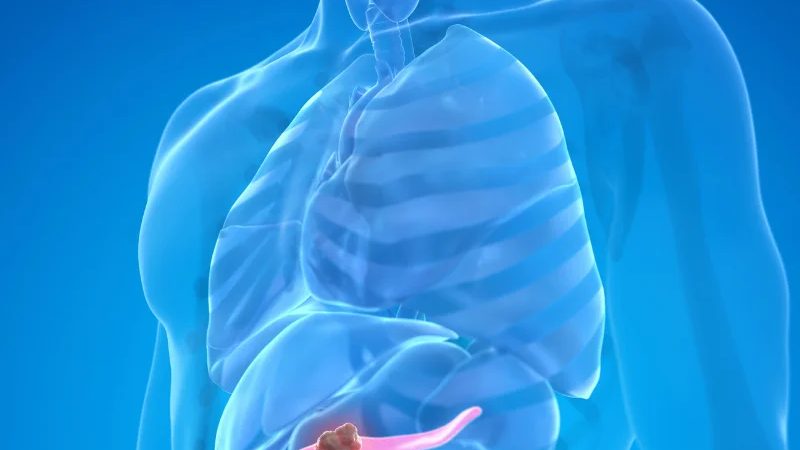
Acute pancreatitis caused by severely elevated blood triglycerides is a serious and potentially life-threatening condition. When triglyceride levels rise above 1,000 mg/dL - and sometimes far higher - the pancreas can become acutely inflamed, triggering a cascade of systemic complications. Plasmapheresis for pancreatitis has emerged as one approach to address this problem by rapidly reducing circulating triglycerides through extracorporeal plasma removal.
This article reviews what hypertriglyceridemia-induced acute pancreatitis is, how plasmapheresis works in this context, what the current clinical evidence shows, when the procedure may be considered, and what the safety profile looks like.
What Is Hypertriglyceridemia-Induced Acute Pancreatitis?
Hypertriglyceridemia-induced acute pancreatitis (HTG-AP) occurs when severely elevated serum triglyceride (TG) levels trigger pancreatic injury. The mechanism is thought to involve the hydrolysis of excess chylomicrons within pancreatic capillaries, releasing large quantities of free fatty acids that cause local inflammation, microvascular injury, and tissue damage.
HTG-AP is estimated to account for approximately 1–14% of all acute pancreatitis cases, making it the third most common etiology after gallstones and alcohol. Triglyceride levels above 1,000 mg/dL are commonly associated with elevated risk, though some cases present at even higher thresholds - a systematic review and meta-summary published in the Indian Journal of Critical Care Medicine reported a median serum triglyceride level of 4,417 mg/dL at presentation across 91 reviewed cases (Nasa et al., 2025).
The Role of Alcohol in Hyperlipidemic Pancreatitis
Alcohol is a recognized co-trigger in plasmapheresis for hyperlipidemic pancreatitis and alcohol-related presentations. Alcohol impairs the activity of lipoprotein lipase (LPL) - the enzyme responsible for clearing triglycerides from the bloodstream - and simultaneously stimulates hepatic VLDL production. In individuals with underlying dyslipidemia or genetic hypertriglyceridemia, even moderate alcohol consumption can push triglyceride levels into the dangerous range. When alcohol-induced LPL inhibition combines with pre-existing lipid dysregulation, the result can be acute pancreatic injury at very high triglyceride concentrations.

How Does Plasmapheresis Work in Pancreatitis?
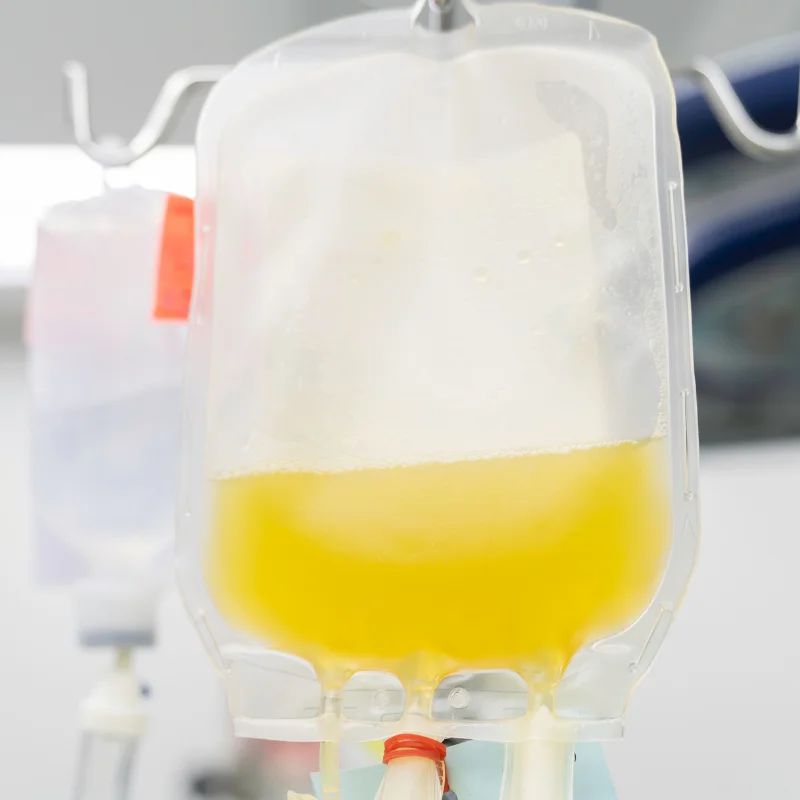
Plasmapheresis - also called therapeutic plasma exchange (TPE) - involves removing a patient's plasma extracorporeally, separating it from blood cells, and replacing it with fresh frozen plasma or albumin. In the context of HTG-AP, this process physically removes chylomicrons and very low-density lipoprotein (VLDL) particles from circulation, achieving a rapid reduction in serum triglyceride levels within hours - far faster than pharmacological approaches alone.
A typical treatment protocol involves two to three sessions, each exchanging approximately 3 liters of plasma. The reduction in circulating triglycerides is thought to reduce the free fatty acid load reaching the pancreas and to lower the concentration of pro-inflammatory lipid mediators driving injury.
What the Clinical Evidence Shows
Triglyceride Reduction
The most consistently demonstrated benefit of plasmapheresis for hyperlipidemic pancreatitis is its ability to rapidly lower serum triglyceride levels. A 2025 systematic review and meta-summary encompassing 71 published studies and 91 unique patients found that plasmapheresis reduced median serum triglycerides from approximately 3,900 mg/dL to 575 mg/dL - an 81% decrease - over a median of two treatment sessions (Nasa et al., Indian Journal of Critical Care Medicine, 2025).
A 2023 retrospective cohort study published in the Turkish Journal of Emergency Medicine found that plasmapheresis achieved a 70.4% triglyceride reduction at 24 hours compared to 59.7% with medical treatment alone, a statistically significant difference (p=0.032). The same study identified a triglyceride threshold of 3,079.5 mg/dL as the optimal cut-off for considering plasmapheresis, with an AUC of 0.822 and 83.3% sensitivity (Sahin et al., Turkish Journal of Emergency Medicine, 2023).
A 2023 systematic review and meta-analysis published in the Journal of Clinical Apheresis, incorporating 15 observational studies and 1,080 participants, confirmed that plasmapheresis produced a statistically significant triglyceride reduction at 24 hours (standardized mean difference 0.58) compared to conventional treatment. However, this advantage was not sustained at 48 hours, and no significant differences were found in mortality, systemic or local complications, surgical requirement, or hospitalization duration (Yan et al., Journal of Clinical Apheresis, 2023).
Clinical Outcomes: A More Complex Picture
Beyond triglyceride numbers, the clinical picture is more nuanced. A multicenter prospective cohort study published in JAMA Network Open followed 267 patients with HTG-AP (56 receiving plasmapheresis, 211 receiving conventional treatment). The primary outcome - organ failure-free days at day 14 - showed no statistically significant difference between groups (median 12.0 vs 13.0 days; p=0.94). There was also no difference in 60-day mortality. Notably, the plasmapheresis group had significantly higher rates of ICU admission (93.6% vs 51.1%; p<0.001), reflecting that the more severely ill patients were preferentially selected for plasmapheresis (Cao et al., JAMA Network Open, 2023).
A 2024 systematic review and meta-analysis in the Annals of Gastroenterology compared insulin ± heparin therapy directly against plasmapheresis across five studies involving 269 patients. No statistically significant difference in mortality emerged between the two approaches (risk ratio 0.70; p not significant). Insulin-based therapy was associated with a 3.9-fold higher risk of hypoglycemia, while plasmapheresis carried procedural risks, including catheter placement and hypotension. The authors concluded that neither approach was clearly superior for mortality outcomes (Piplani et al., Annals of Gastroenterology, 2024).
Overall, the evidence indicates that plasmapheresis is effective at achieving rapid triglyceride reduction - a recognized treatment goal in severe HTG-AP - but has not yet demonstrated a consistent, statistically significant advantage over conventional management in clinical outcomes such as mortality or organ failure. The field awaits higher-quality evidence from ongoing randomized trials.
Safety Profile and Considerations
Plasmapheresis is generally well-tolerated in the clinical setting, with adverse events similar to those seen with other plasma exchange procedures. These may include transient hypotension, catheter-related complications, citrate-related reactions (tingling, muscle cramps), and the risks associated with blood product exposure when fresh frozen plasma is used as replacement fluid.
The observation that plasmapheresis-treated patients in the JAMA cohort had longer ICU stays likely reflects patient selection bias - sicker patients receive more intensive treatment - rather than a direct harm attributable to the procedure itself.
No plasmapheresis protocol for HTG-AP currently holds FDA approval as a defined indication. The PERFORM-R trial - a multicenter, pragmatic, registry-based randomized controlled trial - is currently underway to evaluate plasmapheresis specifically in HTG-AP patients with early organ failure, which should provide higher-quality evidence to guide clinical decisions.
When Is Plasmapheresis for Pancreatitis Considered?
Based on current clinical practice and available evidence, plasmapheresis for hyperlipidemic pancreatitis is most commonly considered when:
- Serum triglycerides are severely elevated, typically above 1,000–4,000 mg/dL (thresholds vary by institution and clinical guidelines)
- The patient presents with severe HTG-AP with signs of organ dysfunction or clinical deterioration despite conventional management (fasting, IV fluids, insulin infusion)
- Pharmacological options are limited - for example, in pregnancy-associated HTG-AP, where many lipid-lowering medications are contraindicated
- Rapid triglyceride reduction is clinically prioritized to reduce ongoing pancreatic injury
The decision to proceed with plasmapheresis is made by the treating clinical team based on overall disease severity, comorbidities, and the clinical trajectory of the individual patient. It is not a standalone therapy and is used alongside supportive care and appropriate medical management.
Frequently Asked Questions
What is plasmapheresis for pancreatitis?
Plasmapheresis for pancreatitis refers to therapeutic plasma exchange performed in patients with hypertriglyceridemia-induced acute pancreatitis to rapidly reduce circulating triglyceride levels. The procedure removes triglyceride-rich chylomicrons and VLDL from the bloodstream extracorporeally.
Does plasmapheresis cure pancreatitis?
Plasmapheresis does not cure pancreatitis. It is a supportive intervention aimed at rapidly lowering the triglyceride levels that are driving or worsening pancreatic injury. Overall clinical outcomes - including recovery, complications, and mortality - are influenced by many factors beyond triglyceride levels alone.
What triglyceride level requires plasmapheresis?
There is no universally agreed threshold. Clinical evidence and practice suggest plasmapheresis is most commonly considered when triglycerides exceed 1,000–4,000 mg/dL, particularly when severe pancreatitis or organ dysfunction is present. One study identified a threshold of approximately 3,079 mg/dL as a clinically relevant decision point.
How many plasmapheresis sessions are needed for pancreatitis?
Published case series and reviews report a median of two sessions, each exchanging approximately 3 liters of plasma. The number of sessions is guided by triglyceride response and clinical status, and is determined by the treating team.
Is plasmapheresis better than insulin for hyperlipidemic pancreatitis?
Current evidence does not establish one approach as clearly superior to the other for clinical outcomes such as mortality. Both insulin-based therapy and plasmapheresis are effective at lowering triglycerides. A 2024 meta-analysis found no significant mortality difference between the two approaches, though each carries distinct risk profiles.
Can alcohol-induced pancreatitis be treated with plasmapheresis?
When alcohol contributes to hypertriglyceridemia-induced pancreatitis - rather than causing pancreatitis directly - and triglyceride levels are severely elevated, plasmapheresis may be considered as part of the acute management strategy. Alcohol-related HTG-AP follows the same fundamental mechanism as other forms of HTG-AP and the same clinical considerations apply.
What are the risks of this procedure in pancreatitis patients?
Potential adverse effects include transient hypotension, catheter-related complications, citrate reactions, and risks associated with replacement fluid use. Reviewed clinical studies report these as generally manageable. As with any invasive procedure, individual risk assessment by the clinical team is essential.
Key Takeaways
- Plasmapheresis for pancreatitis is used in hypertriglyceridemia-induced acute pancreatitis to rapidly reduce triglyceride levels - achieving up to 81% reduction across published case series
- The procedure is effective at 24-hour triglyceride lowering compared to conventional treatment, but current evidence does not show a consistent advantage in mortality or organ failure outcomes
- A 2023 meta-analysis of 15 studies (1,080 patients) confirmed significant short-term TG reduction; a JAMA Network Open cohort of 267 patients found no difference in organ failure-free days or 60-day mortality versus conventional care
- Alcohol can co-trigger HTG-AP by impairing triglyceride clearance; plasmapheresis addresses the TG component regardless of the underlying trigger
- Safety data from reviewed studies is generally favorable; risks are typical of plasma exchange procedures
- The PERFORM-R randomized trial is underway and will provide higher-quality evidence for clinical decision-making
To learn more about therapeutic plasma exchange and how Humanaut Health approaches advanced blood-based therapies within a personalized longevity care framework, explore our plasma exchange services.
References
- Nasa, P., Jain, R., Singh, O., Juneja, D. "Plasmapheresis for Hypertriglyceridemia-induced Acute Pancreatitis: A Systematic Review and Meta-summary of Case Reports." Indian Journal of Critical Care Medicine, 2025. DOI: 10.5005/jp-journals-10071-25010)
- Piplani, S., Jain, A., Singh, K., et al. "Efficacy and adverse effects of insulin versus plasmapheresis in patients with hypertriglyceridemia-induced acute pancreatitis: a systematic review and meta-analysis." Annals of Gastroenterology, 2024; 37(1):109–116. DOI: 10.20524/aog. 2023.0849)
- Cao, L., Chen, Y., Liu, S., Huang, W., Wu, D., et al. "Early Plasmapheresis Among Patients With Hypertriglyceridemia–Associated Acute Pancreatitis." JAMA Network Open, 2023; 6(6):e2320802. DOI: 10.1001/jamanetworkopen. 2023.20802)
- Sahin, G.K., Gulen, M., Acehan, S., Unlu, N., Celik, Y., et al. "Acute pancreatitis due to hypertriglyceridemia: Plasmapheresis versus medical treatment." Turkish Journal of Emergency Medicine, 2023; 23(2):111–118. DOI: 10.4103/tjem.tjem_276_22)
- Yan, et al. "Plasmapheresis compared with conventional treatment for hypertriglyceridemia-induced acute pancreatitis: A systematic review and meta-analysis." Journal of Clinical Apheresis, 2023; 38(1):4–15. DOI: 10.1002/jca. 22018 )