Leukapheresis vs Plasmapheresis: What You Need to Know
5 min read
AUTHOR

MEDICALLY REVIEWED BY

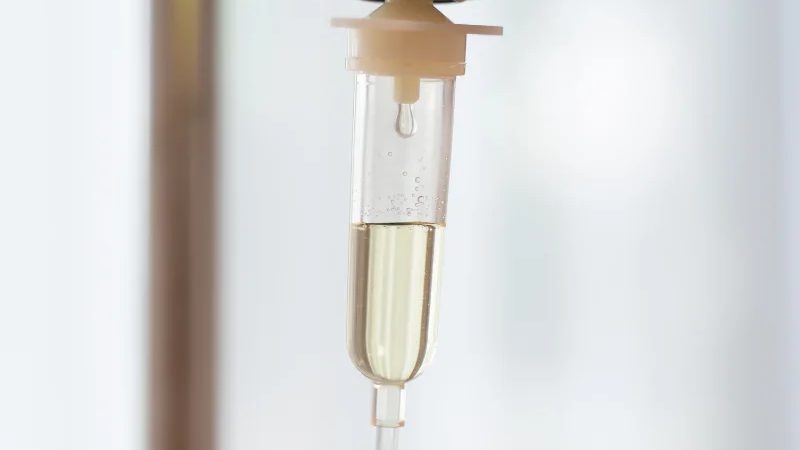
Both leukapheresis and plasmapheresis fall under the umbrella of therapeutic apheresis - procedures that filter blood outside the body and return most of it to the patient. Because both rely on similar centrifugation-based equipment, patients researching blood-filtration therapies often wonder how the two differ. The short answer to leukapheresis vs plasmapheresis is that they target entirely different blood components: leukapheresis removes white blood cells, while plasmapheresis removes plasma. This article explains what each procedure is, when clinicians use each, and what current evidence says about safety and effectiveness.
What Is Leukapheresis?
Leukapheresis selectively removes white blood cells (leukocytes) from circulating blood. Blood is drawn from the patient, passed through a centrifuge or cell-separator device that isolates the leukocyte layer, and the remaining plasma, platelets, and red blood cells are returned to the patient (Zhang et al., International Journal of General Medicine, 2021).
Leukapheresis is used in several distinct clinical contexts:
- Hyperleukocytosis and leukostasis in acute leukemia. When white blood cell or blast counts climb above roughly 100,000/µL - most often in AML or ALL - the resulting emergency can be associated with leukostasis, disseminated intravascular coagulation, and tumor lysis syndrome (Zhang et al., International Journal of General Medicine, 2021). A single session may reduce white blood cell counts by roughly 10–70% (commonly 30–60%), potentially easing symptoms.
- Stem cell and CAR-T cell collection. A form called lymphapheresis collects peripheral blood mononuclear cells rich in T lymphocytes for stem cell transplantation and CAR-T manufacturing (Pessach et al., Transfusion and Apheresis Science, 2023).
- Select autoimmune conditions. In refractory severe rheumatoid arthritis or inflammatory bowel disease, leukocytapheresis may be used alongside standard immunosuppressive therapy, though its role has narrowed since biologics became available (Bambauer et al., Open Access Rheumatology: Research and Reviews, 2013).
Its clinical benefit is not universal, however. A 2020 meta-analysis of 13 studies covering 1,743 patients with AML-associated hyperleukocytosis found no significant reduction in early mortality versus standard management alone (RR 0.88, 95% CI 0.69–1.13) (Bewersdorf et al., Transfusion, 2020). This suggests leukapheresis functions largely as a supportive measure rather than a treatment proven to change survival outcomes.
What Is Plasmapheresis?
Plasmapheresis refers to the extracorporeal removal of plasma - the liquid portion of blood carrying antibodies, immune complexes, clotting factors, and other proteins. Rather than removing cells, it separates plasma from the blood's cellular components via centrifugation or membrane filtration, and the removed plasma is typically replaced with albumin or fresh frozen plasma (Sergent & Ashurst, StatPearls, 2023); Tonev & Momchilova, Biomedicines, 2023).
Because plasma carries many of the pathological antibodies and immune complexes involved in autoimmune and neurological disease, plasmapheresis is primarily indicated for conditions such as Guillain-Barré syndrome, chronic inflammatory demyelinating polyneuropathy (CIDP), myasthenia gravis, neuromyelitis optica spectrum disorder, and multiple sclerosis relapse - first-line for some of these and second-line for others (Tonev & Momchilova, Biomedicines, 2023). Humanaut Health has published a full overview of plasmapheresis covering its broader indications, benefits, and risks. This modality is offered clinically as Therapeutic Plasma Exchange (TPE), performed by trained apheresis staff as part of an individualized care plan.
Leukapheresis vs Plasmapheresis: Key Differences
Although both procedures use similar centrifugation-based apheresis equipment, they are mechanistically and clinically distinct. For related terminology, see how plasma exchange differs from plasmapheresis.
Leukapheresis | Plasmapheresis | ||
What's removed | White blood cells (leukocytes) | Plasma (and its dissolved contents) | |
What's returned | Plasma, platelets, red blood cells | Blood cells and platelets, plus replacement fluid (albumin/FFP) | |
Primary indications | Hyperleukocytosis/leukostasis, stem cell/CAR-T collection, select refractory autoimmune conditions | Autoimmune and neurological disorders (Guillain-Barré syndrome, myasthenia gravis, NMOSD, MS relapse, and more) | |
Typical patient population | Patients with acute leukemia; transplant/CAR-T candidates | Patients with autoimmune or neuro-immune conditions | |
ASFA evidence framework | Same four-category system; hyperleukocytosis indications often Category III | Same four-category system; many indications Category I/II |
What's removed
Both therapies are evaluated under the same ASFA classification system, discussed further below. The essential distinction: cellular components in leukapheresis, versus the liquid plasma fraction in plasmapheresis.
When Is Each Used?
ASFA's four-category framework - Category I (accepted first-line), II (accepted second-line), III (role not established, individualized), and IV (no demonstrated benefit) - places hyperleukocytosis-associated leukostasis in AML or ALL as generally Category III, meaning leukapheresis may be considered on an individualized basis rather than as a routine intervention. By contrast, several of plasmapheresis's core neurological indications - Guillain-Barré syndrome, myasthenia gravis, and thrombotic thrombocytopenic purpura - are Category I or II, reflecting a stronger evidence base (Connelly-Smith et al., Journal of Clinical Apheresis, 2023).
In practice, leukapheresis is typically used in urgent hematology settings or scheduled collection appointments for stem cell or CAR-T candidates. Plasmapheresis, delivered clinically as TPE, is more often used during acute autoimmune or neurological flares, and sometimes for longer-term maintenance.
Safety Considerations
Both procedures generally have a favorable safety profile when performed by trained apheresis clinicians, though each carries its own potential adverse effects.
Leukapheresis is associated with citrate-related hypocalcemia, transient hypotension, vasovagal reactions, fatigue, and nausea in some patients (Stenzinger & Bonig, Transfusion and Apheresis Science, 2018). A 2023 retrospective cohort study also found a less intuitive risk: rebound "fluctuating hypercalcemia" after calcium supplementation given to correct citrate-induced hypocalcemia, in 76.3% of the studied cohort, linked to processed-blood-volume ratios and calcium infusion rate (Jo et al., Scientific Reports, 2023).
Plasmapheresis most commonly causes transient hypotension, along with occasional hypocalcemia, hypothermia, and transfusion-related reactions tied to replacement fluid (Sergent & Ashurst, StatPearls, 2023).
Patients undergoing apheresis (as opposed to healthy donors) may carry somewhat higher risk due to age or underlying disease, though outcomes are generally manageable with standard monitoring. Every apheresis procedure should be considered on an individualized basis by a qualified care team, and this article does not constitute a recommendation for or against either therapy for any specific patient.
Frequently Asked Questions
Is leukapheresis the same as plasmapheresis?
No. Both are forms of therapeutic apheresis, but leukapheresis removes white blood cells while plasmapheresis removes plasma. They use similar equipment but treat different conditions.
What is leukapheresis used for?
Leukapheresis lowers elevated white blood cell counts in acute leukemia, collects stem cells or T lymphocytes for transplantation and CAR-T manufacturing, and may be used in select refractory autoimmune conditions.
What is plasmapheresis used for?
Plasmapheresis removes plasma-borne antibodies and other pathological proteins in conditions such as Guillain-Barré syndrome, myasthenia gravis, and neuromyelitis optica spectrum disorder.
Does leukapheresis remove plasma?
No. Standard leukapheresis removes white blood cells while returning plasma, platelets, and red blood cells - a key distinction from plasmapheresis.
Is leukapheresis used to collect stem cells?
Yes. A form of leukapheresis called lymphapheresis collects peripheral blood mononuclear cells for stem cell transplantation and CAR-T cell manufacturing.
How long does a leukapheresis or plasmapheresis session take?
Session length varies, but both procedures typically run one to several hours in a monitored setting and may involve multiple sessions.
What are the side effects of leukapheresis compared to plasmapheresis?
Both share overlapping effects, including transient hypotension and citrate-related hypocalcemia. Leukapheresis has also been linked to rebound hypercalcemia after calcium correction, while plasmapheresis carries added risks tied to replacement fluid, such as hypothermia.
Which conditions are treated with plasmapheresis rather than leukapheresis?
Autoimmune and neurological conditions - including Guillain-Barré syndrome, myasthenia gravis, CIDP, NMOSD, and MS relapse - are treated with plasmapheresis, since they involve substances carried in plasma rather than excess white blood cells.
Key Takeaways
- In the leukapheresis vs plasmapheresis comparison, the core distinction is what's removed: leukapheresis targets white blood cells, while plasmapheresis targets plasma.
- Leukapheresis is used for hyperleukocytosis in acute leukemia, stem cell/CAR-T collection, and select refractory autoimmune conditions; it may lower white blood cell counts substantially, though it has not been shown to significantly reduce mortality in AML-associated hyperleukocytosis.
- Plasmapheresis, delivered clinically as Therapeutic Plasma Exchange (TPE), is primarily used for autoimmune and neurological conditions with stronger (Category I/II) evidence support for several key indications.
- Both procedures share the same ASFA four-category evidence framework and some safety considerations, including citrate-related hypocalcemia and transient hypotension, alongside procedure-specific risks.
- Any decision about apheresis therapy should be individualized and made with a qualified healthcare professional.
To learn more about how Therapeutic Plasma Exchange (TPE) is offered as part of an individualized care plan at Humanaut Health, visit our services page.
References
- Zhang, D., Zhu, Y., Jin, Y., Kaweme, N.M., Dong, Y. "Leukapheresis and Hyperleukocytosis, Past and Future." International Journal of General Medicine, 2021; 14:3457–3467. DOI: 10.2147/IJGM.S321787
- Bewersdorf, J.P., Giri, S., Tallman, M.S., Zeidan, A.M., Stahl, M. "Leukapheresis for the management of hyperleukocytosis in acute myeloid leukemia - A systematic review and meta-analysis." Transfusion, 2020; 60(10):2360–2369. DOI: 10.1111/trf.15994
- Stenzinger, M., Bonig, H. "Risks of leukapheresis and how to manage them - A non-systematic review." Transfusion and Apheresis Science, 2018; 57(5):628–634. DOI: 10.1016/j.transci.2018.09.008
- Jo, T., Arai, Y., Kitawaki, T., Nishikori, M., Mizumoto, C., Kanda, J., Yamashita, K., Nagao, M., Takaori-Kondo, A. "Risk analysis of fluctuating hypercalcemia after leukapheresis in cellular therapy." Scientific Reports, 2023; 13:14952. DOI: 10.1038/s41598-023-42159-1
- Pessach, I., et al. "Leukapheresis for CAR-T cell production and therapy." Transfusion and Apheresis Science, 2023. DOI: 10.1016/j.transci.2023.103828
- Bambauer, R., Latza, R., Bambauer, C., Burgard, D., Schiel, R. "Therapeutic apheresis in autoimmune diseases." Open Access Rheumatology: Research and Reviews, 2013; 5:93–103. DOI: 10.2147/OARRR.S34616
- Connelly-Smith, L., et al. "Guidelines on the Use of Therapeutic Apheresis in Clinical Practice – Evidence-Based Approach from the Writing Committee of the American Society for Apheresis: The Ninth Special Issue." Journal of Clinical Apheresis, 2023; 38(2):77–278. DOI: 10.1002/jca.22043
- Tonev, D.G., Momchilova, A.B. "Therapeutic Plasma Exchange in Certain Immune-Mediated Neurological Disorders: Focus on a Novel Nanomembrane-Based Technology." Biomedicines, 2023; 11(2):328. DOI: 10.3390/biomedicines11020328
- Sergent, S.R., Ashurst, J.V. "Plasmapheresis." StatPearls [Internet]. StatPearls Publishing; 2026 Jan-. PMID: 32809401