MUSE Cells vs Stem Cells: What Is the Actual Difference?
5 min read
MEDICALLY REVIEWED BY

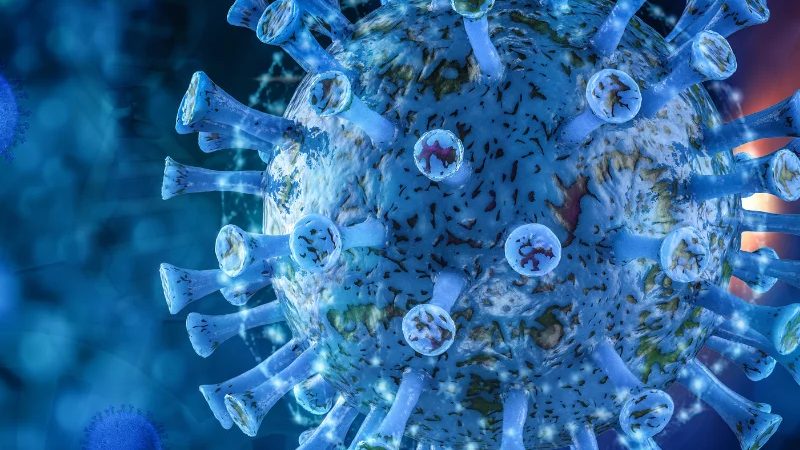
"Stem cells" is an umbrella term that covers many distinct cell types with different properties, sources, and levels of clinical evidence. When comparing muse cells vs stem cells, the more accurate framing is that MUSE cells are one specific, naturally occurring subtype that sits inside the broader mesenchymal stem cell (MSC) category, not a separate competing product. This article walks through what are muse cells, what conventional muse stem cells' MSC relatives are, and where the two genuinely diverge in origin, behavior, and evidence.
Defining MUSE Cells
MUSE cells, or multilineage-differentiating stress-enduring cells, are a small subpopulation found within ordinary mesenchymal stem cell populations, typically representing around one to three percent of that population. They are identified by dual expression of the SSEA-3 marker alongside CD105 or CD45, and they can differentiate into cell types representing all three embryonic germ layers rather than a single tissue lineage (Alanazi et al., Cells, 2023). Humanaut Health covers MUSE cell biology in more depth in a dedicated article on what MUSE stem cells are and how they work.
What Are Mesenchymal Stem Cells (MSCs)?
Mesenchymal stem cells are multipotent cells most commonly sourced from bone marrow, adipose tissue, or umbilical cord tissue. They are traditionally described as capable of differentiating into bone, cartilage, and fat cells, all derived from the mesoderm germ layer. Current research increasingly attributes much of MSC therapeutic benefit to paracrine and immunomodulatory signaling, meaning the cells appear to influence surrounding tissue and immune activity rather than primarily replacing damaged cells directly (Kvistad et al., Frontiers in Neurology, 2022).
MUSE Cells vs Stem Cells: Key Differences
Origin and Markers
Standard MSCs are consistently negative for the SSEA-3 marker. MUSE cells are the SSEA-3-positive fraction living inside that same MSC population, identifiable through this dual-marker signature rather than through a separate collection process (Alanazi et al., Cells, 2023).
Differentiation Range
Conventional MSCs differentiate into mesoderm-lineage tissue only: bone, cartilage, and fat. MUSE cells differentiate across all three germ layers, giving rise in laboratory and animal studies to cell types as varied as neurons, hepatocytes, and cardiac cells, without forming the tumor-like growths associated with fully pluripotent stem cell types.
How They Reach Damaged Tissue
MUSE cells appear to sense sphingosine-1-phosphate released by injured tissue and migrate toward it through a specific receptor pathway after intravenous delivery, rather than becoming trapped in the lungs, a known limitation for many intravenously administered cell therapies (Alanazi et al., Cells, 2023). Standard MSCs are understood to act more through broad paracrine signaling at the site of administration or in circulation, with less evidence of this kind of targeted homing behavior.
Tumor Risk and Immune Privilege
MUSE cells have shown non-tumorigenic behavior with minimal telomerase activity across the studies reviewed, and they express molecules such as HLA-G and IDO that may support immune tolerance in allogeneic (donor-derived) use. MUSE cells also demonstrated greater resistance to genotoxic stress, such as UV exposure and oxidative stress, than non-MUSE cells from the same tissue samples in laboratory comparisons (Alessio et al., Oncotarget, 2018). Standard MSC therapy has an extensive independent safety record of its own, discussed below.
How Does the Clinical Evidence Compare?
This is where the two approaches currently look quite different, and it is worth stating plainly rather than glossing over. Conventional MSC therapy has been studied in systematic reviews spanning over a thousand patients. One meta-analysis covering 1,044 patients and 1,810 MSC transplantations across spinal cord injury, multiple sclerosis, and ischemic stroke found the treatment generally safe, but without a clear, consistent efficacy benefit across most measured outcomes (Kvistad et al., Frontiers in Neurology, 2022).
MUSE cell evidence, by contrast, currently consists of much smaller, earlier-phase trials. A phase 2 randomized trial of 35 stroke patients found a higher response rate with CL2020, an allogeneic MUSE cell product, than with placebo (Niizuma et al., Journal of Cerebral Blood Flow & Metabolism, 2023), and a phase 1/2a trial in 10 spinal cord injury patients reported significant motor and functional score improvements (Koda et al., Stem Cell Research & Therapy, 2024). These are promising early signals, not the kind of large-scale confirmation that exists for conventional MSC safety data, and a small open-label ALS trial of only five patients (Yamashita et al., Cell Transplantation, 2023) underscores how early-stage much of this evidence still is.

Which One Might Be Relevant to You?
Neither MUSE cell therapy nor conventional MSC therapy is a guaranteed path to a specific outcome, and neither is FDA-approved for the neurological or orthopedic conditions discussed in the research above. Both remain reasonable topics to raise with a qualified physician as part of a broader conversation about regenerative medicine options, current evidence, and realistic expectations, rather than treatments to pursue independently based on marketing claims.
Can MUSE Cells and Standard MSCs Be Used Together?
No published clinical trial has directly tested combining MUSE cell products with standard MSC therapy in the same protocol, so any claim about a combined approach outperforming either one alone would be getting ahead of the evidence. In practice, the two overlap biologically since MUSE cells are already a natural component of most MSC preparations, so a standard MSC infusion inherently includes some proportion of MUSE cells within it, just not isolated or concentrated.
Some regenerative medicine researchers are interested in whether isolating and concentrating the MUSE fraction specifically, rather than relying on whatever proportion occurs naturally in a bulk MSC product, could meaningfully change outcomes for certain conditions. That question remains open, and patients should be cautious of any clinic marketing a "combination" protocol as though it were already validated by controlled trials, since none of the sources reviewed for this article describe one.
Frequently Asked Questions
What are muse cells?
MUSE cells are a small, naturally occurring subpopulation within mesenchymal stem cell populations, identified by co-expression of the SSEA-3 marker with CD105 or CD45, capable of differentiating into tissue from all three embryonic germ layers.
Are MUSE cells the same as stem cells?
MUSE cells are a specific type of stem cell, not a separate category. They exist naturally inside standard mesenchymal stem cell populations rather than being an alternative to stem cells generally.
What are muse stem cells used for?
Current research has studied MUSE cells in subacute ischemic stroke, spinal cord injury, amyotrophic lateral sclerosis, neonatal brain injury, and a genetic skin condition, primarily through early-phase clinical trials.
Are MUSE cells safer than standard stem cells?
Both cell types have reported generally favorable safety profiles in their respective trials, though the evidence base for standard MSCs is considerably larger and more mature. Neither should be assumed automatically safer without discussing the specific condition and product with a provider.
Is MUSE cell therapy FDA-approved?
No. MUSE cell products remain investigational, available only through clinical trials or research settings, similar to how many MSC applications for neurological conditions also lack broad FDA approval.
Can MUSE cells turn into any cell type?
MUSE cells can differentiate into cell types from all three embryonic germ layers, which is broader than the mesoderm-only range of conventional MSCs, but this is generally described as "pluripotent-like" rather than fully pluripotent, and differentiation efficiency varies by cell type and condition studied.
Key Takeaways
- When comparing muse cells vs stem cells, the key point is that MUSE cells are a specific, naturally occurring subpopulation within mesenchymal stem cell (MSC) populations, not a separate competing cell therapy.
- The clearest distinctions between MUSE cells and standard mesenchymal stem cells are marker profile (SSEA-3 co-expression), a broader tri-germ-layer differentiation range, and apparent targeted homing to injured tissue.
- Conventional MSC evidence is far more mature, spanning systematic reviews of over a thousand patients, while MUSE cell evidence remains early-phase, with trials typically involving five to thirty-five participants.
- Neither therapy is FDA-approved for the neurological conditions most commonly studied.
- Choosing between or combining regenerative approaches is a decision best made with a qualified physician, not from marketing claims alone.
Talk to Humanaut Health About Regenerative Medicine
Anyone weighing MUSE cells against other regenerative options can start with a personalized regenerative medicine consultation at Humanaut Health to discuss which evidence base is most relevant to their goals. Learn more about Humanaut Health's oncierge approach to longevity and human optimization care.
Sources
- Alanazi et al., Cells, 2023
- Kvistad et al., Frontiers in Neurology, 2022
- Alessio et al., Oncotarget, 2018
- Niizuma et al., Journal of Cerebral Blood Flow & Metabolism, 2023
- Koda et al., Stem Cell Research & Therapy, 2024
- Yamashita et al., Cell Transplantation, 2023
References
- Alanazi, R.F., Alhwity, B.S., Almahlawi, R.M., et al. "Multilineage Differentiating Stress Enduring (Muse) Cells: A New Era of Stem Cell-Based Therapy." Cells, 2023; 12(13):1676. DOI: https://doi.org/10.3390/cells12131676
- Kvistad, C.E., Kråkenes, T., Gjerde, C., Mustafa, K., Rekand, T., Bø, L. "Safety and Clinical Efficacy of Mesenchymal Stem Cell Treatment in Traumatic Spinal Cord Injury, Multiple Sclerosis and Ischemic Stroke: A Systematic Review and Meta-Analysis." Frontiers in Neurology, 2022; 13:891514. DOI: 10.3389/fneur.2022.891514
- Alessio, N., Squillaro, T., Özcan, S., et al. "Stress and stem cells: adult Muse cells tolerate extensive genotoxic stimuli better than mesenchymal stromal cells." Oncotarget, 2018; 9(27):19328-19341. DOI: 10.18632/oncotarget.25039
- Niizuma, K., Osawa, S.I., Endo, H., et al. "Randomized placebo-controlled trial of CL2020, an allogenic muse cell-based product, in subacute ischemic stroke." Journal of Cerebral Blood Flow & Metabolism, 2023; 43(12):2029-2039. DOI: 10.1177/0271678X231202594
- Koda, M., Imagama, S., Nakashima, H., et al. "Safety and feasibility of intravenous administration of a single dose of allogenic-Muse cells to treat human cervical traumatic spinal cord injury: a clinical trial." Stem Cell Research & Therapy, 2024; 15:259. DOI: 10.1186/s13287-024-03842-w
- Yamashita, T., Nakano, Y., Sasaki, R., et al. "Safety and Clinical Effects of a Muse Cell-Based Product in Patients With Amyotrophic Lateral Sclerosis: Results of a Phase 2 Clinical Trial." Cell Transplantation, 2023. DOI: 10.1177/09636897231214370