MUSE Stem Cells: What They Are, Benefits and Treatment Potential
5 min read
AUTHOR

MEDICALLY REVIEWED BY

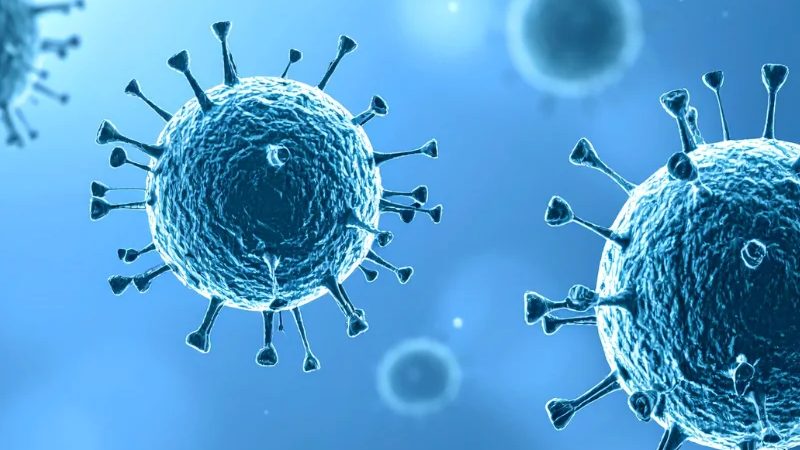
Regenerative medicine marketing often uses "stem cells" as a single catch-all term, but the field is far more specific than that. MUSE stem cells, short for multilineage-differentiating stress-enduring cells, are one distinct cell type within that broader category, and they are attracting growing research interest of their own. This article explains what are muse cells, where do muse stem cells come from, how they differ from more familiar mesenchymal stem cells, what the clinical evidence shows so far across several conditions, and their current safety and regulatory status.
What Are MUSE Cells?
MUSE cells are a small, naturally occurring subpopulation found within ordinary mesenchymal stem cell (MSC) populations, typically making up around one to three percent of that population. They are identified by a distinctive dual marker profile: SSEA-3, a marker usually associated with embryonic pluripotency, combined with CD105 in bone marrow-derived samples or CD45 in peripheral blood samples. This dual-positive signature is what separates muse stem cells from standard MSCs, which do not express SSEA-3 at all.
What makes this subpopulation notable is its differentiation range. A single MUSE cell can give rise to cell types representing all three embryonic germ layers, meaning it can contribute to tissue as different as heart muscle, skin, and nerve cells, according to a comprehensive review of the cell type's biology (Alanazi et al., Cells, 2023). Researchers describe this as "pluripotent-like" behavior rather than true pluripotency, since MUSE cells appear to differentiate efficiently without forming teratomas, the tumor-like growths that limit the use of induced pluripotent stem cells and embryonic stem cells in humans.
Where Do MUSE Cells Come From?
MUSE cells were first identified in 2010 by a research team led by Mari Dezawa at Tohoku University in Japan. The discovery happened somewhat by accident: researchers subjected mesenchymal stem cell cultures to harsh conditions designed to kill off less resilient cells, and a small surviving population grew into clusters resembling embryonic stem cells and tested positive for SSEA-3 (Kuroda et al., PNAS, 2010).
Unlike engineered pluripotent stem cells, MUSE cells are not created in a lab. They exist naturally throughout the body, distributed in bone marrow, adipose (fat) tissue, skin dermis, peripheral blood, and the connective tissue of most organs. This is part of why researchers describe them as an endogenous repair mechanism, present in essentially everyone, rather than a manufactured cell product.
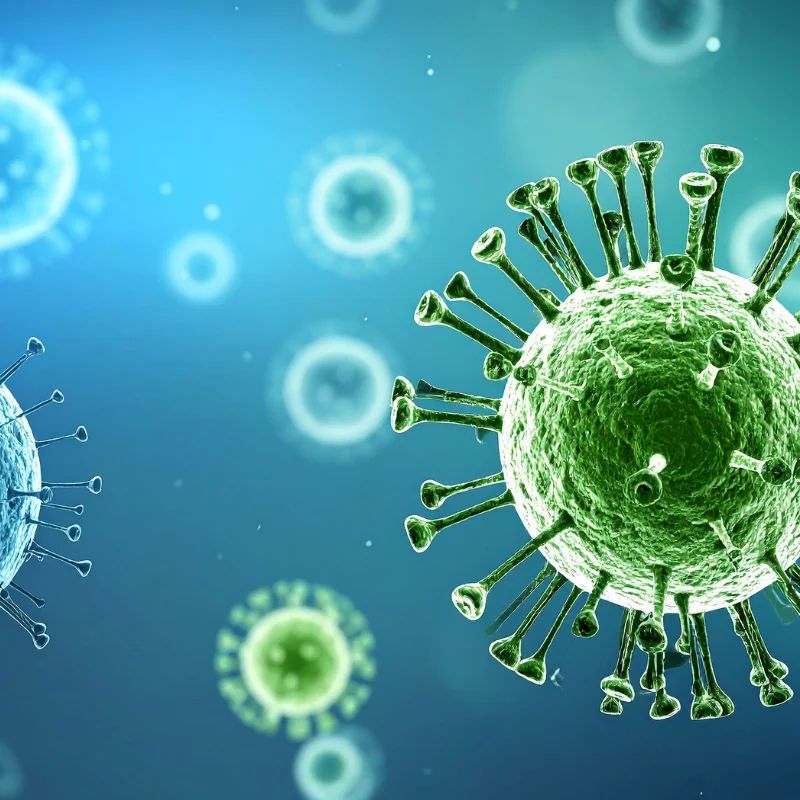
How Are MUSE Cells Different From Other Stem Cells?
Several properties distinguish MUSE cells from standard MSCs and from other stem cell types under investigation. First, MUSE cells appear notably resistant to cellular stress. In laboratory comparisons, MUSE cells tolerated chemical and physical genotoxic stress, such as hydrogen peroxide exposure and UV irradiation, better than non-MUSE cells from the same tissue samples, showing lower rates of senescence and cell death alongside more efficient DNA-repair activity (Alessio et al., Oncotarget, 2018).
Second, MUSE cells appear to home selectively to damaged tissue after intravenous administration. Researchers propose that MUSE cells sense sphingosine-1-phosphate, a signaling molecule released by injured tissue, and migrate toward it through the S1P-S1PR2 receptor pathway rather than becoming trapped in the lungs, a common limitation with other intravenously delivered cell therapies (Alanazi et al., Cells, 2023).
Third, MUSE cells are described as having a degree of immune privilege, expressing molecules such as HLA-G and IDO that may allow donor-derived (allogeneic) MUSE cells to be used without long-term immunosuppressive medication or strict donor matching in early trials. This distinguishes them from many other cell therapies, where immune rejection is a central practical obstacle. A closer look at how MUSE cells compare specifically to standard mesenchymal stem cells is covered in Humanaut Health's dedicated comparison article.
What Does the Clinical Evidence Show?
Clinical research into MUSE cells has expanded across several conditions in the years since their discovery, primarily using an allogeneic MUSE cell product known as CL2020. The findings so far are early-stage but consistent in one respect: researchers report a generally favorable safety profile alongside preliminary efficacy signals that require larger trials to confirm.
Stroke
In a phase 2, randomized, placebo-controlled trial involving 35 patients with subacute ischemic stroke, participants received a single intravenous dose of CL2020 or placebo 14 to 28 days after stroke onset. At follow-up, 40 percent of the CL2020 group reached a favorable functional outcome (a modified Rankin Scale score of 2 or lower), compared with 10 percent of the placebo group, and no major treatment-related safety concerns were identified (Niizuma et al., Journal of Cerebral Blood Flow & Metabolism, 2023). This is a single trial with a modest sample size, so the result should be read as promising rather than conclusive.
Spinal Cord Injury
A phase 1/2a trial gave a single intravenous dose of CL2020 to 10 patients with cervical traumatic spinal cord injury. Researchers reported statistically significant improvements in upper-extremity and total motor scores, sensory testing, and activities-of-daily-living scores over 12 to 52 weeks of follow-up, with six of ten patients gaining at least one grade of functional improvement by 28 weeks (Koda et al., Stem Cell Research & Therapy, 2024). Two serious adverse events occurred during the trial, but both were judged by investigators to be unrelated to the cell product itself.
Amyotrophic Lateral Sclerosis (ALS)
A small, open-label phase 2 trial gave five ALS patients six monthly intravenous doses of CL2020. The rate of decline on a standard ALS symptom scale appeared to slow in the months following treatment compared with the pre-treatment period, and the treatment was reported as safe across repeated dosing (Yamashita et al., Cell Transplantation, 2023). With only five participants, this finding is best treated as an early safety-and-signal study rather than evidence of a treatment effect.
Skin (Dystrophic Epidermolysis Bullosa)
Not every MUSE cell trial has shown a sustained benefit, and this honesty matters when evaluating the overall picture. In an open-label study of adults with dystrophic epidermolysis bullosa, a genetic skin condition causing chronic blistering and ulcers, intravenous MUSE cells were associated with an average 46 percent reduction in ulcer area at four weeks. However, that improvement was not maintained, and ulcer size had returned close to baseline by 12 weeks (Fujita et al., Journal of the European Academy of Dermatology and Venereology, 2021). This result illustrates that MUSE cell benefits, where present, may be condition-specific and are not uniformly durable.
Safety Considerations and Regulatory Status
Across the trials reviewed here, the reported safety profile for MUSE cell administration has generally been favorable, with serious adverse events either absent or judged unrelated to treatment by investigators. In the neonatal hypoxic-ischemic encephalopathy trial, for example, the only cell-related adverse event across nine infants was a mild, self-resolving laboratory abnormality (Sato et al., Stem Cells Translational Medicine, 2024).
It is important to state plainly that no MUSE cell product currently holds FDA approval for any indication. MUSE cell therapy remains investigational, available only through clinical trials or research settings operating under regulatory frameworks such as an Investigational New Drug application, not as an approved, generally available treatment. For context, even well-established mesenchymal stem cell therapy carries a similarly early evidence base for many of these same neurological conditions, with a large systematic review finding MSC treatment safe but without a clear efficacy benefit across stroke, multiple sclerosis, and spinal cord injury (Kvistad et al., Frontiers in Neurology, 2022).
Frequently Asked Questions
What are muse cells?
MUSE cells, or multilineage-differentiating stress-enduring cells, are a small subpopulation of naturally occurring stem cells found within mesenchymal stem cell populations. They are identified by co-expression of the SSEA-3 marker with CD105 or CD45 and can differentiate into cell types from all three embryonic germ layers.
Where do muse stem cells come from?
MUSE cells occur naturally in the body rather than being manufactured. They are distributed in bone marrow, fat tissue, skin, peripheral blood, and the connective tissue of most organs, and were first identified in 2010 by researchers at Tohoku University in Japan.
How are muse stem cells different from standard stem cells?
Muse stem cells differ from standard mesenchymal stem cells in their marker profile, their ability to differentiate into tissue from all three germ layers rather than just bone, cartilage, and fat, and their apparent ability to home selectively to injured tissue after intravenous delivery.
Is MUSE cell therapy FDA-approved?
No. MUSE cell products are investigational and are administered only within clinical trials or research protocols. No MUSE cell therapy currently holds FDA approval for any medical condition.
What conditions are being studied with MUSE cells?
Clinical trials to date have studied MUSE cells in subacute ischemic stroke, cervical spinal cord injury, amyotrophic lateral sclerosis, neonatal hypoxic-ischemic encephalopathy, and dystrophic epidermolysis bullosa, among other early-stage applications.
Are MUSE cell treatments safe?
Reported safety data across current trials has generally been favorable, with serious adverse events either absent or judged by investigators to be unrelated to the cell product. That said, these are still small, early-phase trials, and safety conclusions may evolve as more data accumulates.
How are MUSE cells administered in research settings?
In the trials reviewed here, MUSE cells were administered as a single intravenous infusion in most cases, with the ALS trial using repeated monthly infusions. Dosing and administration protocols vary by condition and trial.
Can I receive MUSE cell therapy right now?
Access is currently limited to clinical trial or research settings, since no MUSE cell product is FDA-approved or commercially available as a standard treatment. Anyone interested should discuss current options and realistic expectations with a qualified healthcare provider.
Key Takeaways
- MUSE stem cells are a naturally occurring subpopulation of mesenchymal stem cells, identified by SSEA-3 co-expression with CD105 or CD45, that can differentiate into cell types from all three germ layers.
- They were discovered in 2010 at Tohoku University and are found throughout the body's bone marrow, fat, skin, and connective tissue.
- Early-phase clinical trials in stroke, spinal cord injury, ALS, neonatal brain injury, and a genetic skin condition report a generally favorable safety profile alongside preliminary, not yet conclusive, efficacy signals.
- Not every trial shows a durable benefit, as seen in the epidermolysis bullosa study, underscoring that MUSE cell effects may vary by condition.
- No MUSE cell product is currently FDA-approved; access remains limited to clinical trial and research settings.
Talk to Humanaut Health About Regenerative Medicine
Anyone curious how emerging cell therapies like MUSE cells fit into the broader landscape of regenerative options can start with a personalized regenerative medicine and stem cell therapy consultation at Humanaut Health. Learn more about Humanaut Health's concierge approach to longevity and human optimization care.
Sources
- Kuroda et al., PNAS, 2010
- Alanazi et al., Cells, 2023
- Alessio et al., Oncotarget, 2018
- Niizuma et al., Journal of Cerebral Blood Flow & Metabolism, 2023
- Koda et al., Stem Cell Research & Therapy, 2024
- Yamashita et al., Cell Transplantation, 2023
- Fujita et al., Journal of the European Academy of Dermatology and Venereology, 2021
- Sato et al., Stem Cells Translational Medicine, 2024
- Kvistad et al., Frontiers in Neurology, 2022
References
- Kuroda, Y., Kitada, M., Wakao, S., et al. "Unique multipotent cells in adult human mesenchymal cell populations." Proceedings of the National Academy of Sciences, 2010; 107(19):8639-8643. DOI: 10.1073/pnas.0911647107
- Alanazi, R.F., Alhwity, B.S., Almahlawi, R.M., et al. "Multilineage Differentiating Stress Enduring (Muse) Cells: A New Era of Stem Cell-Based Therapy." Cells, 2023; 12(13):1676. DOI: 10.3390/cells12131676
- Alessio, N., Squillaro, T., Özcan, S., et al. "Stress and stem cells: adult Muse cells tolerate extensive genotoxic stimuli better than mesenchymal stromal cells." Oncotarget, 2018; 9(27):19328-19341. DOI: 10.18632/oncotarget.25039
- Niizuma, K., Osawa, S.I., Endo, H., et al. "Randomized placebo-controlled trial of CL2020, an allogenic muse cell-based product, in subacute ischemic stroke." Journal of Cerebral Blood Flow & Metabolism, 2023; 43(12):2029-2039. DOI: 10.1177/0271678X231202594
- Koda, M., Imagama, S., Nakashima, H., et al. "Safety and feasibility of intravenous administration of a single dose of allogenic-Muse cells to treat human cervical traumatic spinal cord injury: a clinical trial." Stem Cell Research & Therapy, 2024; 15:259. DOI: 10.1186/s13287-024-03842-w
- Yamashita, T., Nakano, Y., Sasaki, R., et al. "Safety and Clinical Effects of a Muse Cell-Based Product in Patients With Amyotrophic Lateral Sclerosis: Results of a Phase 2 Clinical Trial." Cell Transplantation, 2023. DOI: 10.1177/09636897231214370
- Fujita, Y., Yoshimoto, T., et al. "Intravenous allogeneic multilineage-differentiating stress-enduring cells in adults with dystrophic epidermolysis bullosa: a phase 1/2 open-label study." Journal of the European Academy of Dermatology and Venereology, 2021; 35:e528-e531. DOI: 10.1111/jdv.17201
- Sato, Y., Shimizu, S., Ueda, K., et al. "Safety and tolerability of a Muse cell-based product in neonatal hypoxic-ischemic encephalopathy with therapeutic hypothermia (SHIELD trial)." Stem Cells Translational Medicine, 2024; 13(11):1053-1066. DOI: 10.1093/stcltm/szae071
- Kvistad, C.E., Kråkenes, T., Gjerde, C., Mustafa, K., Rekand, T., Bø, L. "Safety and Clinical Efficacy of Mesenchymal Stem Cell Treatment in Traumatic Spinal Cord Injury, Multiple Sclerosis and Ischemic Stroke: A Systematic Review and Meta-Analysis." Frontiers in Neurology, 2022; 13:891514. DOI: 10.3389/fneur.2022.891514